1
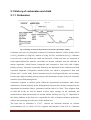
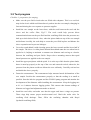
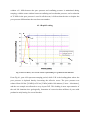
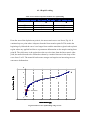
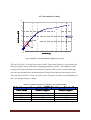
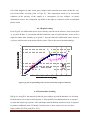
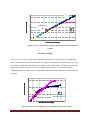
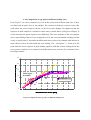
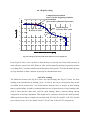
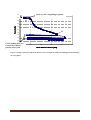
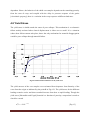
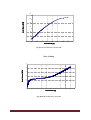
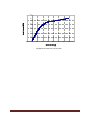
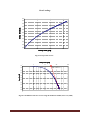
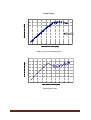
Elastic region: elastic deformation. The specimen returns to its original state after the stress is
released.
Yield point: permanent changes occur beyond this point. The specimen never returns to its
original state when stress is removed.
Ductile region: in this region, the specimen undergoes permanent deformation without loss of
the ability to support load.
Brittle region: in this region, the ability of the specimen to withstand stress decreases rapidly
with increase in deformation.
2.6.1 Pore Collapse
A material subjected to stress will fail when a certain level of stress is reached. The failure
mode depends on the type of material, the state of stress and the geometry of the specimen.
Shear failure occurs when the shear stress along some plane in the sample is sufficiently high.
Various models are used to describe the level of stress at which a material will experience
failure.
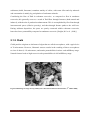
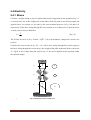
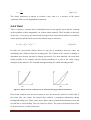
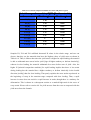
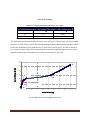
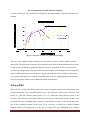
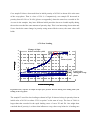
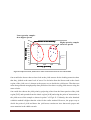
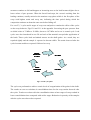
In high porosity materials such as Stevns Klint chalk where the grain skeleton forms a
relatively open structure, pore collapse is a failure mode that is normally observed, and it may
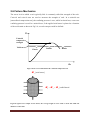
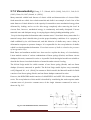
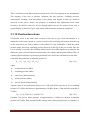
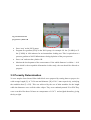
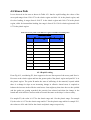
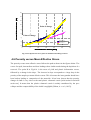
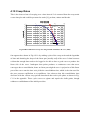
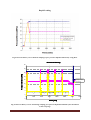
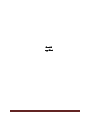
lead to significant reduction of pore space. The q − p ' plot with an ‘endcap’ is often used to
describe such materials. Failure occurs as either dilation or pore collapse for certain stress
states that come in contact with the combined criterion. But when points do not come in
contact with the failure line (within the envelope), the materials stress state is within the
elastic region, and the material should not experience failure, Fig.2.11.
q
Dilation
(Porosity Increase)
(Deviatoric)
Pore Collapse (Porosity Drop)
End Cap
p
p ' (Effective mean stress)
Fig.2.11
q − p ' plot with an end cap
18