1
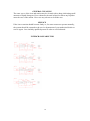
COMMON CAUSES OF TIP UNWETTING
1. Tip temperature higher than 410℃ (770℉).
2. The tip working surfaces are not tinned while the iron idling.
3. Lack of flux in soldering, wicking, repairing, and touch-up operations.
4. Wiping the tip on a high sulfur content, dirty or dry sponges and rags.
5. Touching with organic substances such as plastic, resin, silicone, grease or other
chemicals.
6. Impurities in solder and/or low tin content.
CARE OF TIPS
Caution: The soldering iron can reach very high temperatures. Be sure to turn
the unit off prior to carrying out any maintenance or trouble shooting steps listed
below.
IMPORTANT
Remove the tip and clean after moderate to heavy use or at least daily for light usage.
Remove any loose build up in the tip retaining assembly to prevent tip freezing.
The solder tips supplied are iron clad cooper and if used properly, they should
maintain optimum life.
1. Always tin the tip before returning it to the holder, turning off the station, or
storing it for long periods of time. Wipe the tip on a brass cleaner prior to use.
2. Keeping the iron set at high temperatures (more than 400℃or 750℉) will shorten
tip life.
3. Does not use excessive pressure to the tip or rub the joint with the tip while
soldering; it does not improve the heat transfer and may damage the tip.
4. Apply solder to the joint, not the tip when soldering. The flux is naturally caustic
and thus will eat away the tip.
5. Never clean the tip with a file or abrasive materials.
6. Do not use fluxes which contain chloride or acid. Use only rosin or resin activated
fluxes.
7. If an oxide film forms on the tip, it can be removed by careful buffing with a
600-800 grit emery cloth, isopropyl alcohol or equivalent and then wrapping rosin
core solder around the newly exposed surfaces. Coat the tinned areas with
rosin-core solder after the resin-core has melted.
8