1
CHAPTER 2. DIGITAL CAMERAS
IMAGE STABILIZATION
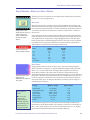
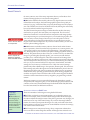
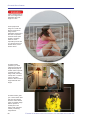
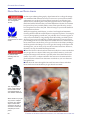
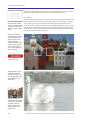
When you move the camera during an exposure, especially at slow shutter
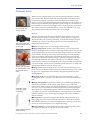
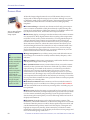
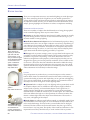
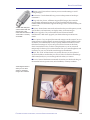
http://www.photocourse.com/itext/antishake/
speeds, when shooting close-ups, or using a long focal length lens, it causes
Click to explore how
blur in the image. To reduce this blur, some cameras have image stabilization
image stabilization
systems. These systems use a sensor to recognize camera movement and then
reduces but doesn’t
try to compensate using a variety of techniques. The process goes under a
eliminate blur caused
confusing variety of names including image stabilization, vibration reduction,
by camera movement.
and anti-shake. Manufacturers claim 2 to 3 stop increases before camera
shake blurs an image. This means that if you can shoot safely at 1/60 without
IS, you can shoot at 1/15 or even slower with it.
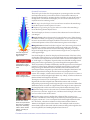
■ Optical image stabilization works by moving a prism in the camera or an
element in the lens to redirect the light path to compensate for the unintended
movement. The camera moves one way, and the prism or lens element moves
the other. This is the most effective method, but also the most expensive.
■ Digital image stabilization shifts the image on the sensor to compensate for
motion. It’s like watching a baseball infielder moving around to stay under a
windblown pop-up. When this technique is used, not all of the sensor’s pixels
can be used for the image. Some of those on the border have to be reserved for
the shifting image projected by the lens. Another digital technique is to
process the captured image to try to remove the blur.
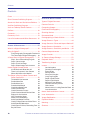
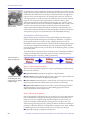
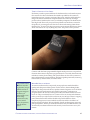
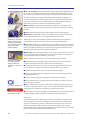
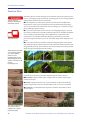
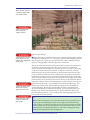
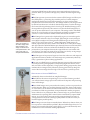
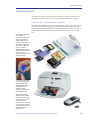
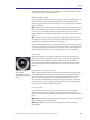
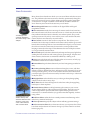
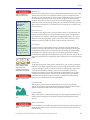
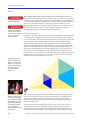
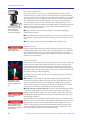
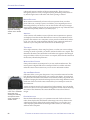
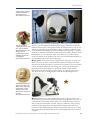
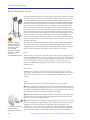
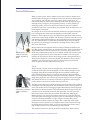
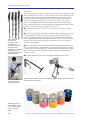
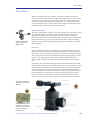
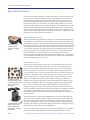
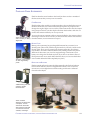
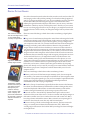
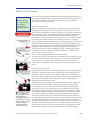
A tripod is a necessity
for some kinds of
photography.
■ Pseudo image stabilization just increases the ISO so the camera can select a
faster shutter speed.
When the camera has a fixed lens, it doesn’t matter which approach is used.
However, on cameras with interchangeable lenses it does matter. If the system
resides within the camera body it will work with any lens, if it resides within
the lens it only works with special lenses.
When thinking about image stabilization, keep in mind that it’s always been
available in the form of a tripod, monopod, beanbag, or a flat surface on which
to rest the camera. You can increase stability by using the self-timer or remote
and mirror lockup (page 85) to reduce vibrations.
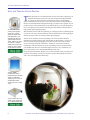
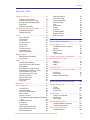
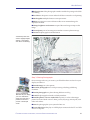
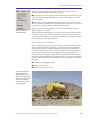
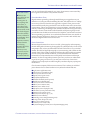
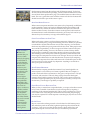
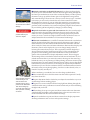
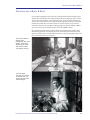
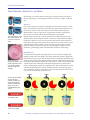
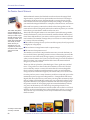
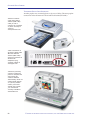
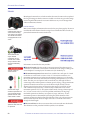
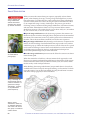
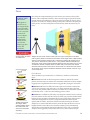
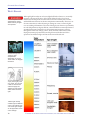
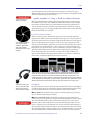
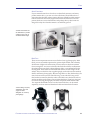
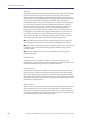
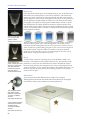
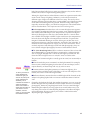
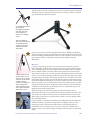
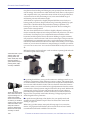
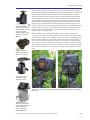
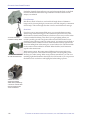
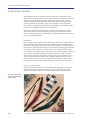
Using a beanbag like
the Pod along with the
camera’s self-timer is a
good form of image
stabilization. Courtesy
of Pop Multimedia
(www.thepod.ca).
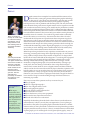
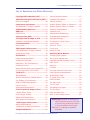
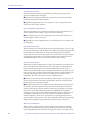
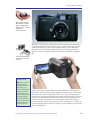
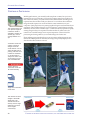
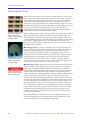
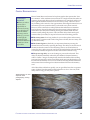
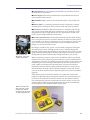
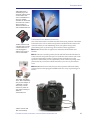
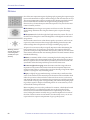
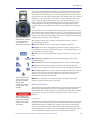
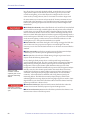
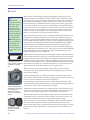
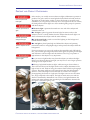
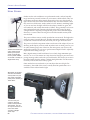
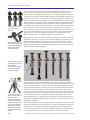
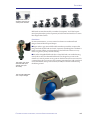
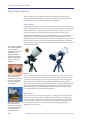
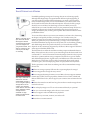
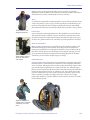
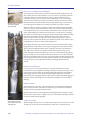
Nikon’s image
stabilization, called VR,
for Vibration Reduction,
and Canon’s IS move a
lens group to counteract
camera motion.
66
FOR MORE ON TEXTBOOKS IN DIGITAL PHOTOGRAPHY, VISIT HTTP://WWW.PHOTOCOURSE.COM