1
a) Pour rice that has been polished using the pounding method in less than s ix months
in sufficient water, quickly mix it, and then remove the water immediately. Rub it
vigorously and rinse it 3-4 times until the water becomes clean.
b) After soaking the rice in sufficient water for about 30 minutes during summer, or two
hours during winter, pour it into a sieve basket to drain the water.
c) Pour the rice and the water corresponding to about 1.1 times the amount of rice into
a cooker and then cook by normal means. If an electric rice cooker is used, follow the
user manual provided by the manufacturer.
d) Ensure the boiled rice is not sp oiled or dried during cooking and then make it within
eight hours of being cooked.
2.1.3.2 Egg yolk
a) Use a fresh 50-6 5g egg (refer to the expiry date).
b) Use at least three eggs. Separate the yolk from the white.
c) Mix the separated yolk well and store it in a refrigerator prior to use.
2.1.3.3 Kimchi
a) Use kimchi that conforms to the quality standards prescribed in K S H 2169 (Kimchi),
which is properly mature kimchi with a head.
b) Use powdered red pepper filtered with a standard sieve (with a mesh size of 1.7 mm)
in accordance with KS A 5101-1 (Test Sieves – Part 1: Test Sieves of Metal W ire).
2.1.3.4
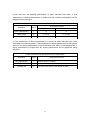
With regard to margarine, mayonnaise, and ketchup, each to be used for the test
should meet corresponding Korean Industrial Standards and should be stored in a
refrigerator prior to use.
Section
Margarine
Mayonnaise
Ketchup
Corresponding Korean
KS H 2002
KS H 2109
KS H 2144
Industrial Standard
(Margarine)
(Mayonnaise )
(Tomato Ketchup)
2.2 Preparation of the blue plates to which pollutant s are to be adhered
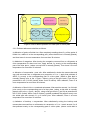
2.2.1
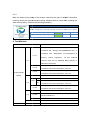
The pollutants to be adhered to each part of a blue plate are as shown in the figure
below. A t least 100 blue plates should be prepared for testing.
20