1
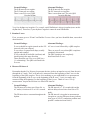
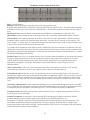
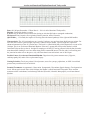
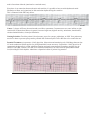
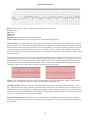
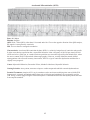
Idioventricular (IVR)
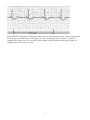
Rate: 20-40bpm
PRI: absent since the electrical activity is coming from the ventricles
QRS: Greater than 0.12seconds (Wide and bizarre)
Characteristics: Normally, the pacemaker of the heart that is responsible for triggering each heart beat (ventricular
contraction) is the SA (Sino Atrial) node. However, if the ventricle does not receive triggering signals at a rate high
enough, the ventricular myocardium itself becomes the pacemaker (escape rhythm). This is called Idioventricular
Rhythm. Ventricular signals are transmitted cell-to-cell between cardiomyocytes and not by the conduction system,
creating wide sometimes bizarre QRS complexes(> 0.12 sec). The rate is usually 20-40 bpm. If the rate is >40 bpm,
it is called accelerated idioventricular rhythm. The rate of 20-40 is the "intrinsic automaticity" of the ventricular
myocardium. It can be regarded as a "backup plan" or "redundancy" built into the body.
Causes: Myocardial Infarction, Pacemaker Failure, Metabolic imbalance, Myoardial Ischemia
Nursing Priorities: Asses patient, measures to improve cardiac output and establish a normal rhythm and rate
Potential Treatments: Atropine 0.25-1 mg is sometimes used to accelerate underlying sinus rate to inhibit IVR.
Isopreterenol, verapamil, and antiarrhythmia drugs such as lidocaine and amiodarone are occasionally used for
IVR. Pacing. Caution: Suppressing the ventricular rhythm is contraindicated because that rhythm protects the heart
from complete standstill.
41