1
The Textual Level - Basic
Functions
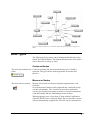
As you may already know (see “The Process” on page 25), there
are two principle levels of interaction with ATLAS.ti, the textual
and the conceptual.
The textual level includes activities like segmenting and
organizing data files, coding data segments, and writing memos,
while the conceptual level focuses on model-building activities,
such as linking codes to form semantic networks.
In this chapter, you will learn about the main procedures needed to
begin your data analysis. These include how to mark, code, and
comment text, graphic, audio and video segments; how to write
memos; and how to group your documents, codes, and memos into
families and super families.
Selecting Document Segments
The most common operations on primary documents -- especially
when starting a project -- are selecting data sections, assigning
codes and/or memos to them.
Marking a segment does not by itself create a quotation, though
this is often the very next step after making a selection.
Selecting Text Segments
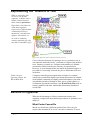
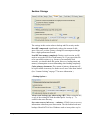
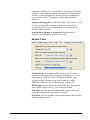
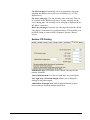
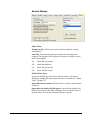
In addition to the usual selection techniques known from text
editors and word processors, ATLAS.ti offers an extended “semiautomatic” double-click selection technique for textual primary
documents.
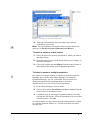
Here is how it works:
A5 User's Guide to ATLAS.ti 5.0
The Textual Level - Basic Functions • 107