1
Abstract
Wireless sensor networks are an emerging field of research in computer science. Tracking and
localizing mobile objects passing through a sensor network are important tasks for area surveillance in disaster or battle areas. It is a complicated task, because of the need for low reaction
times and cooperation within changing groups of sensor nodes.
We developed the DELTA algorithm to perform both object tracking and localization. It
features dynamic creation of groups tracking objects, requiring no creation and maintenance of
node clusters beforehand. A group leader is responsible for group maintenance, object localization calculations and reporting to the base station. This leader node is not elected randomly
among the nodes, but based on several configurable factors such as strength and tendency of the
sensor readings, interpolated target object position or node battery level. Unlike other tracking
algorithms, DELTA also works when the area where the nodes can sense a target object is bigger than the area within which they can communicate with other sensor nodes. This is mainly
due to an efficient broadcast algorithm spreading leader heartbeats. The leader node performs
localization of the object based on the sensor readings by the leader and at least three neighbour
nodes.
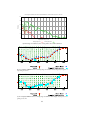
DELTA showed promising results in various tests performed in a network simulator. It was
able to reliably detect and localize target objects and maintain group coherence across a wide
area of parameters.