1
4.
Procedures Prior to Polysomnography
It is important that arrival time in the hospital is selected so that parents/caregivers are in a
position to bring the infant (e.g. after working hours) and that the trip is safe (in some settings,
parking and hospital ground escorts may have to be considered).
Each laboratory should have a log book in which details about the infant and the
polysomnographic session can be entered. A loose leaf folder can be designated for each
infant in which all relevant information is contained. The infant's Study ID# is critical because
all information will be filed under this number.
It is important to review procedures with the parents and to offer explanations. Parents can be
invited to watch or hold the child as needed. Much of the skin preparation and attachment of
electrodes can be done while the baby is bottle fed. In some laboratories the mother/caregiver
will be permitted to stay throughout the night but few elect to do so (exceptions are those who
prefer to breast feed the baby). In some laboratories one parent or caregiver is required to stay
with the baby to help with caregiving. A maternal sleeping room should be made available so
that unnecessary awakenings are prevented.
Prior to preparing the study infant for monitoring, the Post-Enrollment Medical Follow-up
Form (Form D) should be completed if one has not been completed in the past 2 weeks. If the
infant has been home on a study monitor, technicians should collect the Alarm Log (Form H5)
from caregivers.
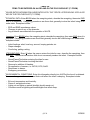
A CHIME POLYSOMNOGRAPHY CHECKLIST (Form F1: See Appendix B) should be initiated
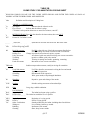
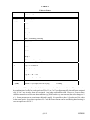
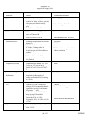
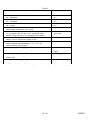
at this time and items completed as the calibrations and sleep study progress. Refer to Table
3, PSG Preparation and Acquisition Checklist, as a reminder of steps to be followed.
a.
CHIME PSG Thermometer preparation. See Appendix A.
ςΙΙ−8
10/02/95