1
TRGRAPH User Manual
Page 39
Introduction to route maps
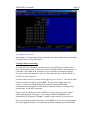
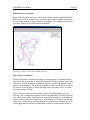
Route maps are used to show intra-carrier routes within a single transportation mode.
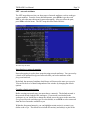
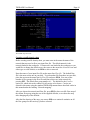
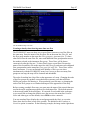
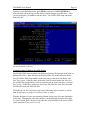
Route maps can show a single route, routes from one origin to multiple destinations,
or routes from multiple origins to multiple destinations. The example below shows a
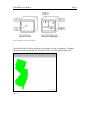
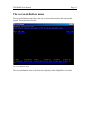
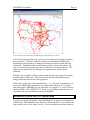
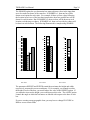
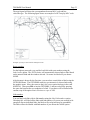
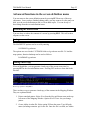
route map with one origin and multiple destinations:
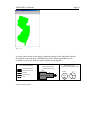
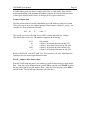
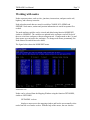
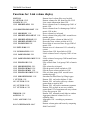
An example of a map created with the ROUTE map menu
How routes are computed
The PTNM includes a minimum impedance routing program for computing routes.
Each link in the network has an associated impedance, based on distance, travel time,
dollar cost, accident probability, population exposure, or other link attributes either
singly or in combination. The minimum impedance route between any two nodes on
the network is the sequence of connecting links whose impedance sum is less than
any other sequence of links.
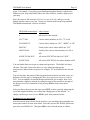
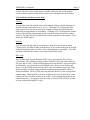
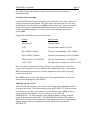
Each of the three modal networks supplied with the PTNM (highway, rail, and
waterway) has a calibrated impedance formula called BESTROUTE which replicates
most likely service routes On the highway network, the formula is a combination of
distance and road type (free limited access, toll limited access, divided, non-divided,
and ferries). On the rail network, the formula is a combination of distance and route
quality (high-density mainline, medium density mainline, medium density branch