1
WI
given later.
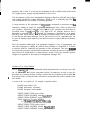
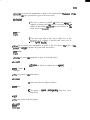
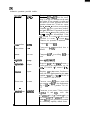
3. Unlink the node pointed to by N: from its current parent. Set YBRO[N:] and
EBRO[N:I to null.
4. Set HOWLINKED[N:I to the new link type.
5. If the new link type is rigid or nonrigid, compute the absolute location of the
node pointed to by D:, call it T, and replace XF[N:I by T%XF[N:].
6. Link the node pointed to by N: as the youngest son of the node pointed to by
.D:.
Note that one side effect of the way the kill command is defined is that storage for a deleted
structure will not be reclaimed until the structure falls out the bottom of the K: stack (i.e.,
after four deletions). If this should ever get to be a problem, then a “purge the kill stack”
operation is easy to add. (In fact, repeating “k:+k:” three times will flush all but the most
recently killed object).
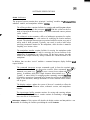
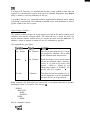
The “merge” command provides a useful way to perform editing operations on sets of nodes.
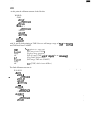
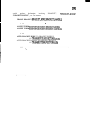
For,instance, suppose we have an affixment structure like this:
WORLD
+BOX
*HOLE 1
+APPROACH
*HOLE2
+GRASP
+BOTTOM
...
COVER
+GASKET
e
.I
!
’
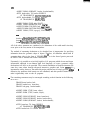
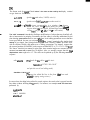
and suppose that we wish to make holes HOLE 1 and HOLE2 in the corresponding position
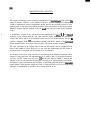
in parts COVER and GASKET. This can be done by the following editing sequence:
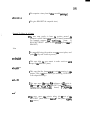
new tmp
d:cn:
p:tbox
copy hole1
rigid
n:t
copy hole2
rigid
n:t
(Use TMP as a “bin” for holding the set of of holes.)
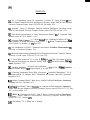
@ffixing to TM PI
(Don’t keep having to type “BOX “)
{Affix a copy of HOLE I rigidiy to TMP)
(Gets HOLE I off of N: stack, which reverts to TMP.)
(Repeat sequence for HOLE 2 )
.