1
Chapter 5. Implementation
After the fam connection is set up the ExternalChangeMonitor creates a QSocketNotifier which monitors the fam connection for events. The socketNotifier will run
in the main event loop and frees us from the complications and drawbacks involved
in creating a thread for polling the connection.
When a user drags a file from Stopmotion to another program, as explained in
section 3.9 on page 23, a URI drag is performed. That means the path to the file is
passed to the retrieving application and loaded there. If the user for instance drags
the file over to GIMP, GIMP will work directly on the file.
When the user saves the file it is immediately notified by FAM. Stopmotion
receives many notifications while GIMP saves the file, so when it receives the first
notification it starts checking every 500ms if it has received another notification.
If it hasn’t it means that GIMP has saved and is done with the file. The following
function in the DomainFacade is then called:
animationChanged (const char *alteredFile)
This triggers the notifyAnimationChanged event and all the Observers are notified of the change through the function:
updateAnimationChanged(int frameNumber)
5.8
Code conventions
As we explained in the pre-project report (Appendix B.4, page 99) we chose early
to go with a standard code convention so that all the code would look similar. We
never changed these conventions so they are still in their original form and can be
found in Appendix E on page 111.
5.9
Documentation
Being an open source project it is important that people can easily get into the
development if they want to. The user might want to change something which
annoys them, write a new GUI or maybe start helping out with the development by
submitting patches.
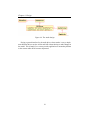
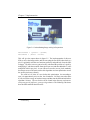
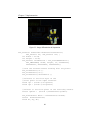
For this reason we needed some way to document the API of our software
as well as design diagrams to document the design. We chose to use Doxygen
for documenting. Doxygen is a common API documentation system for C++ and
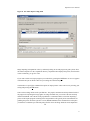
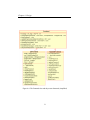
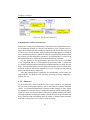
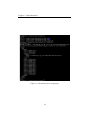
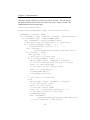
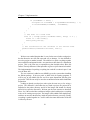
various of other programming languages. An example of the documentation for
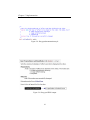
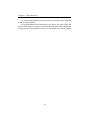
a member function can be seen in figure 5.8 on page 61, and the output when
converting it to HTML is shown in figure 5.9 on page 61.
60