1
FINISH
0652 CAVALIER BREMWORTH & ONTERA MODULAR CARPETS
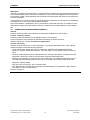
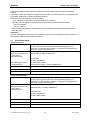
Joint alignment: Set out tiling with joints accurately aligned in both directions and wall tiling joints level
and plumb.
Joint position: Set out tiles from the centre of the floor or wall to be tiled and, if possible, ensure cut
tiles are a half tile or larger.
Margins
General: Provide whole or purpose-made tiles at margins where practicable, otherwise set out to give
equal margins of cut tiles. If margins less than half tile width are unavoidable, locate the cut tiles where
they are least conspicuous.
Fixtures
General: If possible position tiles so that holes for fixtures and other penetrations occur at the
intersection of horizontal and vertical joints or on the centre lines of tiles. Continue tiling fully behind
fixtures which are not built in to the tiling surface. Before tiling ensure that fixtures interrupting the tile
surfaces are accurately positioned in their designed or optimum locations relative to the tile layout.
3.5
FALLS AND LEVELS
Grading
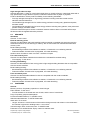
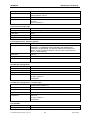
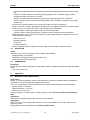
General: Grade floor tiling to even and correct falls to floor wastes and elsewhere as required. Make
level junctions with walls. Where falls are not required lay level.
Fall, general: 1:100 minimum.
Fall, in shower areas: 1:60 minimum.
Change of finish: Maintain finished floor level across changes of floor finish including carpet.
3.6
BEDDING
Standard
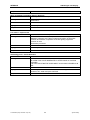
Cement mortar: To AS 3958.1 clause 5.5.
Adhesive: To AS 3958.1 clause 5.6.
Preparation of tiles
Adhesive bedding: Fix tiles dry; do not soak.
Mortar bedding: Soak porous tiles in water for half an hour and then drain until the surface water has
disappeared.
Terra cotta tiles: Use pre-sealed tiles or apply a breathable sealer and lay dry. If a final sealed finish is
selected, use a compatible laying sealer.
Bedding
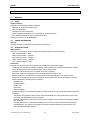
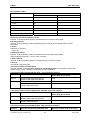
General: Use bedding methods and materials which are appropriate to the tile, the substrate, the
conditions of service, and which leave the tile firmly and solidly bedded in the bedding material and
adhered to the substrate. Form falls integral with the substrate.
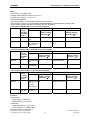
Thin adhesive beds
General: Provide only if the substrate deviation is less than 3 mm when tested with a 3 m straight
edge. Cover the entire tile back with adhesive when the tile is bedded.
Thickness: 1.5 – 3 mm.
Thick adhesive beds
General: Provide on substrates with deviations up to 6 mm when tested with a 3 m straight edge, and
with tiles having deep keys or frogs.
Nominal thickness: 6 mm.
Adhesive bedding application
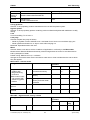
General: Apply adhesive by notched trowel to walls and floors and direct to tiles if required, to provide
evenly distributed coverage after laying as follows:
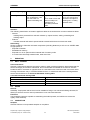
- Domestic internal walls: > 65%.
- Domestic internal floors: > 80%.
- Other wall and floors: > 90%.
- Wet areas and bench tops: 100%.
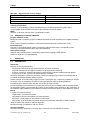
Pattern of distribution of adhesive: As described in AS 3958.1 clause 5.6.4.3. Verify by examining one
tile in ten as work proceeds.
Wall tile spacers: Do not use spacer types that inhibit the distribution of adhesive.
© NATSPEC (Apr 08)
261
"[insert date]"