1
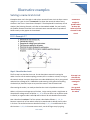
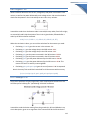
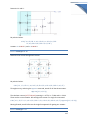
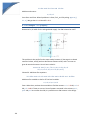
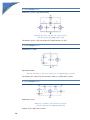
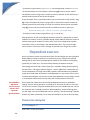
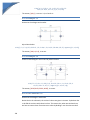
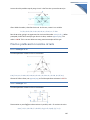
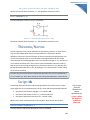
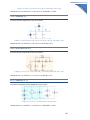
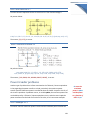
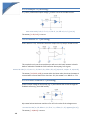
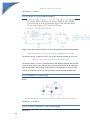
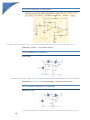
B11’s Example 6.22 (Hidden source)
Determine I1.
Although no source is shown, the circuit has a current. I use a ‘hidden’ current source.
tru e s \s i :s \ dc ( "j t ,0 ,1 , 1 2m :r 1 , 1, 0, 1 K :r 2, 1 ,0 ,1 0k :r 3, 1 ,0 ,2 2k ") :a p prox ( ir 1)
We get I1 = 10.48 mA, which is correct.
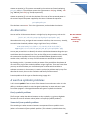
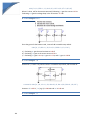
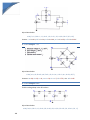
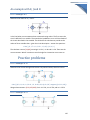
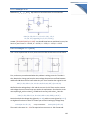
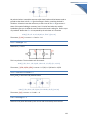
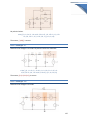
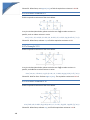
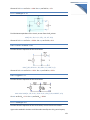
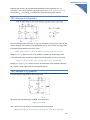
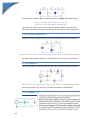
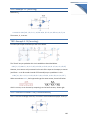
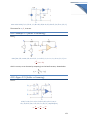
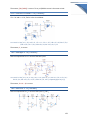
B11’s Example 6.21 (Hidden source, Expert)
Determine IS, I1 and I3.
This ‘hidden source’ problem is perfect for Expert. My solution:
tru e s \s i :s \ ex ( "j s , 0, 1, i s :r 1 ,1 , 0, 6:r 2 ,1 ,0 , 3 :r 3, 1 ,0 ,1 ") : ap pr ox ( { is , ir 1, ir 3} )
Select DC, and press Enter. Add unknown is . Add equation ir2 = 2m Run the
simulation. The answer, {.009,.001,.006}, is correct, since the currents are as follows: IS
is 9mA, I1 is 1mA and I3 is 6mA.
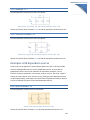
Resistors in parallel
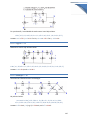
Symbulator has a way to help you reduce two resistors connected in parallel to their
equivalent. It works as part of circuit descriptions, and is typed thus: p( ,) . When you
do not need to know the current through or power consumed in each individual
resistor, you can reduce parallel resistors using p( ,) inside your circuit description.
Examples
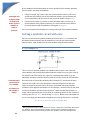
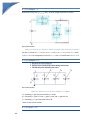
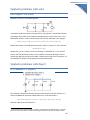
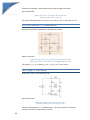
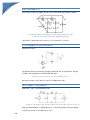
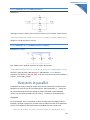
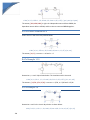
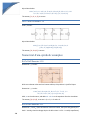
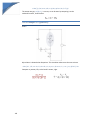
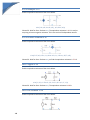
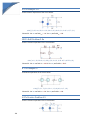
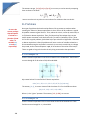
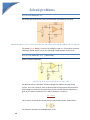
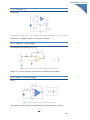
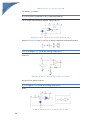
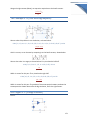
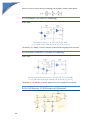
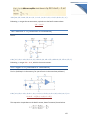
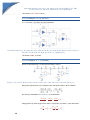
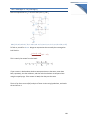
As a first example, here is a simulation in which it makes sense to use p(,). In B11’s
Example 7.4 (shown in page 116), it makes sense to reduce R4 and R5 to an equivalent
resistor, since we do not need to know their individual currents or power use.
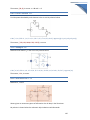
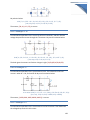
s \dc ( " e, 1 ,0 ,1 6 .8 :r 1 , 1, 2 ,9 :r 2 , 1, 2, 6: r 3 ,2 , 3, 4:r e, 3, 0, p( 6, 3) :r 6 ,2 , 0, 3 ")
131