1
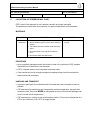
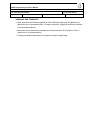
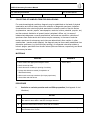
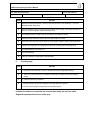
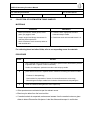
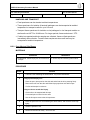
CARPHA Laboratory Procedure Manual Section: QSE 05 – Process Control Title: Laboratory User Manual Page 20 of 58 A. Doc. No: GUL-Q05-001 Effective date: 01.07.2013 Review date: 01.07.2014 Edition: 1 COLLECTION OF BLOOD SPECIMENS Blood and separated serum are the most common specimens taken to investigate the etiology of communicable diseases. Venous blood can be used for isolation and identification of pathogens using sub-culture and inoculation techniques. Blood is also separated into serum for the detection of genetic material (e.g. using the polymerase chain reaction), specific antibodies, antigens, or toxins (e.g. by ELISA). For the processing of most specimens for diagnosis of viral pathogens, serum is preferable to un-separated blood except where otherwise directed. When specific antibodies are being assayed, it is often useful to collect paired sera, i.e. an acute sample taken at the onset of illness and a convalescent sample collected one to four weeks later. Blood can also be collected by finger prick for the preparation of slides for microscopy or for absorption onto special filter paper discs for analysis. Whenever possible, blood specimens for culture should be taken before antibiotics are administered to the patient. NOTE: Collect acute and convalescent blood for serology with at least 2 weeks between acute and convalescent specimens A.1.0 VENOUS BLOOD SAMPLES MATERIALS SUPPLIES Disposable latex or vinyl gloves Tourniquet, Vacutainer, Monovette, or similar vacuum blood collection devices, or disposable syringes and needles Vacutainer, blood culture bottles (50ml for adults, 25ml for children) with appropriate media Swabs, gauze pads, band-aid Labels and indelible marker pen. REAGENTS Skin disinfection: 70% alcohol (isopropyl alcohol, ethanol) or 10% povidone, iodine,