1
D
D
D
D
D
R
R
R
R
R
A
A
A
A
A
D
R
R
FT
FT
FT
FT
A
A
A
A
R
R
D
D
D
LPC2917/19 - ARM9 microcontroller with CAN and LIN
D
R
R
A
FT
FT
FT
A
A
R
R
D
D
D
R
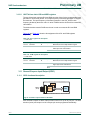
Explicit IDs or
group of IDs
Standard Frame Format
FullCAN identifier section
stored directly in
memory
Standard Frame
Format (SFF)
Explicit
Standard Frame Format
explicit identifier section
buffered
Standard Frame
Format (SFF)
Explicit
Standard Frame Format
group identifier section
buffered
Standard Frame
Format (SFF)
Group
Extended Frame Format
explicit identifier section
buffered
Extended Frame
Format (EFF)
Explicit
Extended Frame Format
group identifier section
buffered
Extended Frame
Format (EFF)
Group
F
CAN message
frame format
D
Reception method
FT
FT
A
A
R
R
D
Name of Section
A
FT
FT
A
A
R
R
D
D
D
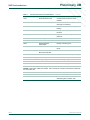
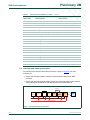
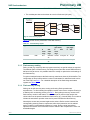
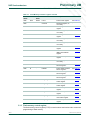
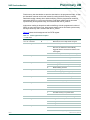
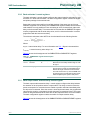
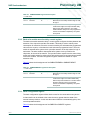
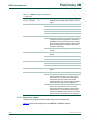
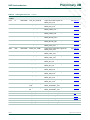
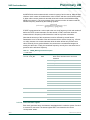
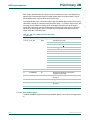
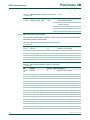
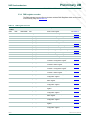
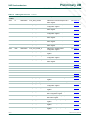
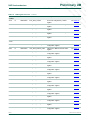
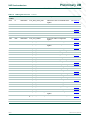
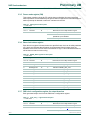
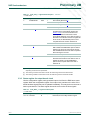
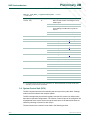
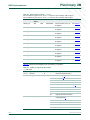
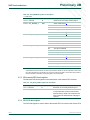
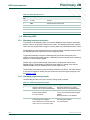
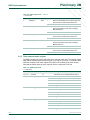
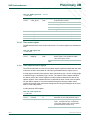
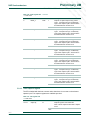
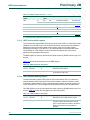
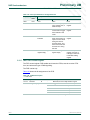
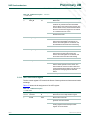
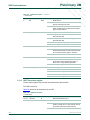
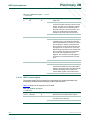
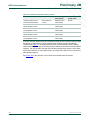
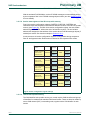
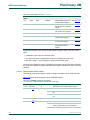
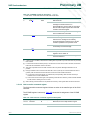
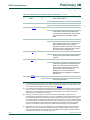
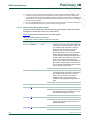
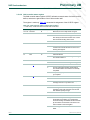
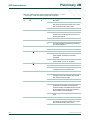
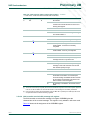
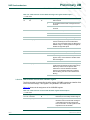
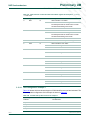
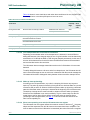
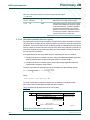
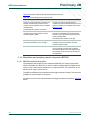
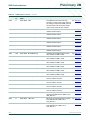
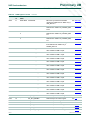
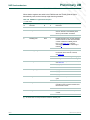
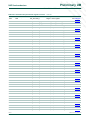
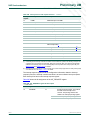
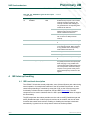
Table 146. CAN ID look-up table memory sections
FT
FT
FT
FT
FT
Preliminary UM
NXP Semiconductors
D
D
R
A
FT
D
R
A
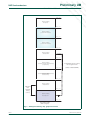
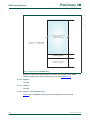
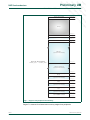
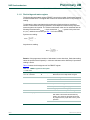
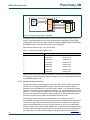
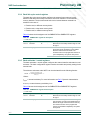
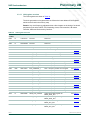
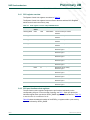
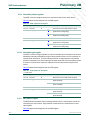
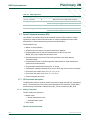
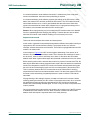
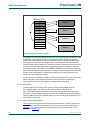
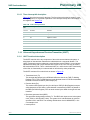
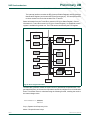
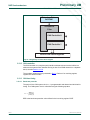
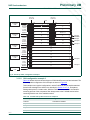
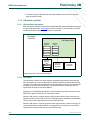
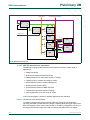
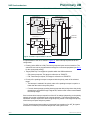
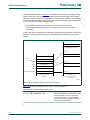
Five start -address registers exist to indicate the boundaries of the different sections within
the ID look-up table memory. These registers store the offset for the base address
CANAFM (see Table 3). The standard frame-format FullCAN identifier section always
starts at the offset 00h, with the following sections starting as defined in the start-address
registers. The look-up table ends with the FullCAN message object section, which starts
at the offset CAEOTA. A non-existent section is indicated by equal values in consecutive
start-address registers.
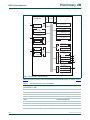
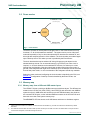
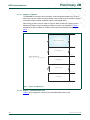
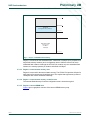
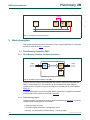
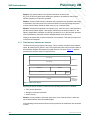
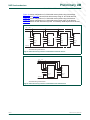
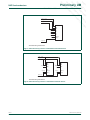
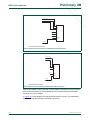
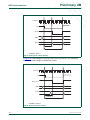
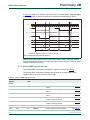
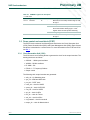
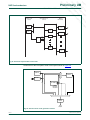
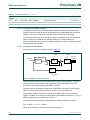
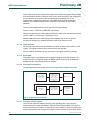
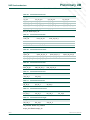
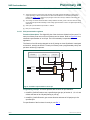
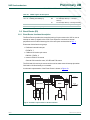
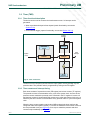
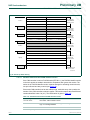
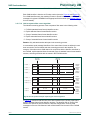
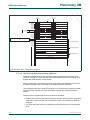
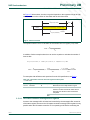
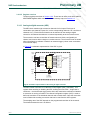
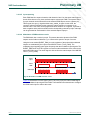
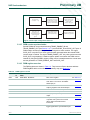
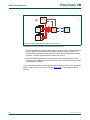
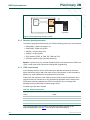
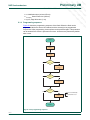
See Figure 44 for the structure of the CAN ID look-up table memory sections.
UMxxxxx
User manual
© NXP B.V. 2007. All rights reserved.
Rev. 01.02. — 8 November 2007
138 of 263