1
Introduction
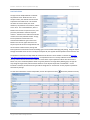
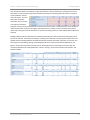
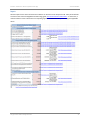
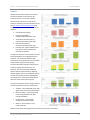
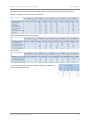
The Green Infrastructure App allows the user to consider water quality needs when developing a building
prototype in the Envision Tomorrow Plus tool. The resulting benefits, particularly from green infrastructure, are
also measured across a planning area in the Scenario Builder component of the tool. During a storm event
generally the initial runoff from impervious surfaces – parking lots, sidewalks, roofs – is the most polluted. For this
reason, many communities require a minimum volume of water be captured and treated before release into a
stormwater system, creeks, rivers, and the surrounding environment. The Green Infrastructure App calculates the
volume of water typically required to be treated and allows the user to choose either conventional or green
infrastructure water quality controls to meet those treatment needs. The app will also calculate the costs of the
chosen controls and the estimated removal for key pollutants. When green infrastructure controls are chosen, the
annual benefits are quantified in the Scenario Builder according to the Center for Neighborhood Technology guide,
The Value of Green Infrastructure.
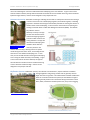
Green infrastructure, frequently referred to as Low Impact Development (LID), principally uses plants and soil to
remove pollutants from runoff and has many advantages over conventional “grey” systems. It generally removes
more pollutants than conventional controls and often allows for water infiltration into the soil, more closely
resembling natural patterns. With greater infiltration, the base flows of streams, erosion, and riparian health are
less likely to be negatively impacted by increases in impervious cover associated with development. Green
infrastructure, such as green roofs, biofiltration, and rain gardens, are also generally more aesthetically appealing
than the concrete basins frequently used in conventional controls. Other numerous benefits included decreased
energy costs, improved air quality, reduced heat island effect, reduced carbon dioxide emissions, and potential
open space and habitat. Because the water captured by cisterns is typically used to irrigate landscaped areas or
for other onsite water needs, rainwater harvesting is also considered green infrastructure.
This guide will first provide quick start instructions for using the Green Infrastructure App in the Prototype Builder,
followed by more detailed descriptions of both the Prototype Builder and the Scenario Builder components of the
Green Infrastructure App, including customization for local standards and conditions.
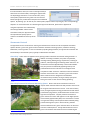
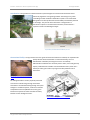
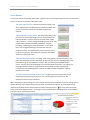
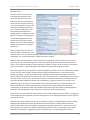
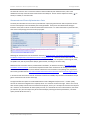
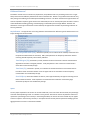
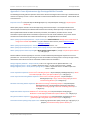
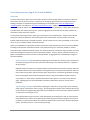
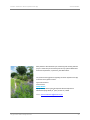
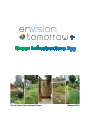
Conventional water quality control
City of Austin Urban Design Division
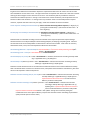
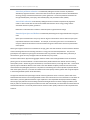
Green infrastructure: Rain garden
2