1
Applying the Structurational Model
71
activity was initially enabled through a different use of a debugging feature, but
subsequent versions of Lens allowed users to accomplish the same function by
creating multiple rulesets triggered by different events.
The use of multiple rulesets changed people's behavior yet again. It also influenced
the software design. Because rules could now call other rulesets, it became important
to identify the conditions under which a ruleset should stop processing a message.
So, the developer of version 3 introduced the "stop" action. In order to avoid creating
additional rules, he also allowed for multiple actions in the same rule. Thus a rule
could now move a message to one or more folders, forward it, file it and mark it as
"replied to". The implementation made certain assumptions about how people work;
some made things easier for users and some made them harder. For example, the
differences between the use of the Next key in Lens and Lafite caused problems for
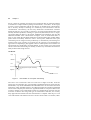
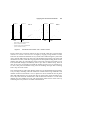
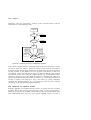
users. One of the easiest ways to see the changes in the technology is to look at the
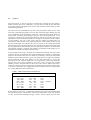
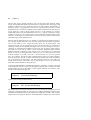
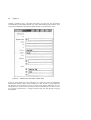
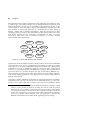
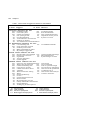
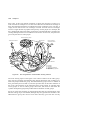
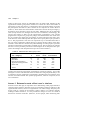
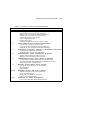
changes in the rule editor. Figure 13 shows an example of a rule created with the
first rule editor. The rule has been given the name "Information Lens" and looks for
messages that contain the word "Lens" in the subject field. When a message
matches, Lens moves it to the folder called "Lens".
Figure 13: Original Lens Rule Editor: Version one
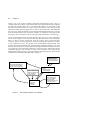
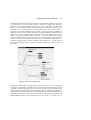
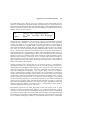
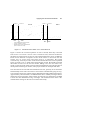
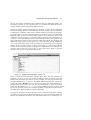
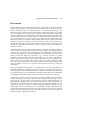
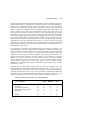
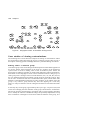
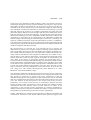
Figure 14 shows how the rule editor looked in phase three. The user interface was
designed to meet Viewpoint user interface standards. Notice the addition of menu
buttons and of multiple rule actions. In this example, the user has specified that
messages addressed to or copied to the Want Ads distribution list, which also
contain the subject Honda, are to be moved to the Car mail folder. Whenever a
message meets these criteria, the rule fires and the message is moved to the Car
folder. The field labeled To or cc: was a feature added in response to many requests
by users. In previous versions, this example would have required two separate rules:
one addressed to Want Ads and one copied to Want Ads.
The software developers in this study were closer to their users than most. Changes
and ideas from users were fed back in interesting ways. One of the effects of this was
that the users taught the developers new ideas about what Lens is, extending it in a