1
52
The lpdoc Documentation Generator
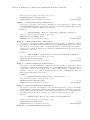
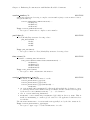
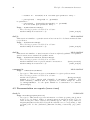
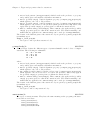
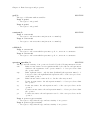
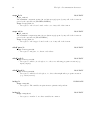
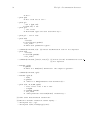
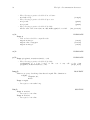
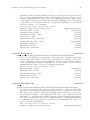
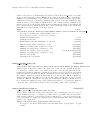
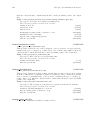
nnegint/1:
REGTYPE
The type of non-negative integers, i.e., natural numbers.
Usage 1: nnegint(T)
− Description: T is a non-negative integer.
Usage 2: nnegint(T)
− Description: T is a non-negative integer.
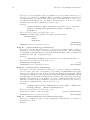
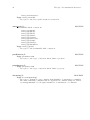
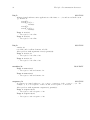
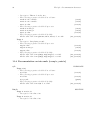
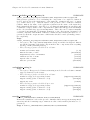
flt/1:
REGTYPE
The type of floating-point numbers. The range of floats is the one provided by the C
double type, typically [4.9e-324, 1.8e+308] (plus or minus). There are also three special values: Infinity, either positive or negative, represented as 1.0e1000 and -1.0e1000;
and Not-a-number, which arises as the result of indeterminate operations, represented as
0.Nan
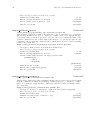
Usage 1: flt(T)
− Description: T is a float.
Usage 2: flt(T)
− Description: T is a float.
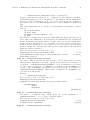
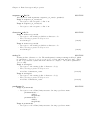
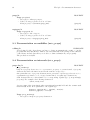
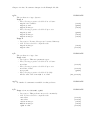
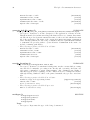
num/1:
REGTYPE
The type of numbers, that is, integer or floating-point.
Usage 1: num(T)
− Description: T is a number.
Usage 2: num(T)
− Description: T is a number.
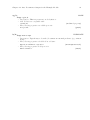
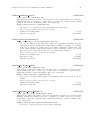
atm/1:
REGTYPE
The type of atoms, or non-numeric constants. The size of atoms is unbound.
Usage 1: atm(T)
− Description: T is an atom.
Usage 2: atm(T)
− Description: T is an atom.
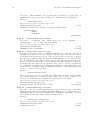
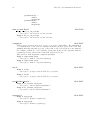
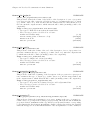
struct/1:
REGTYPE
The type of compound terms, or terms with non-zeroary functors. By now there is a limit
of 255 arguments.
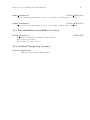
Usage 1: struct(T)
− Description: T is a compound term.
Usage 2: struct(T)
− Description: T is a compound term.