1
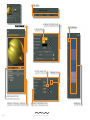
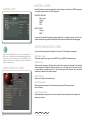
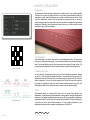
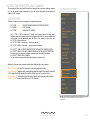
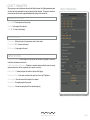
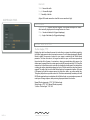
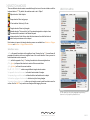
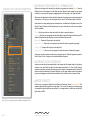
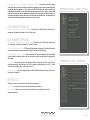
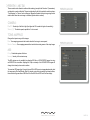
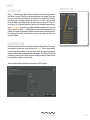
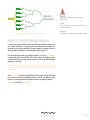
render Channels
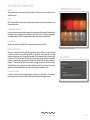
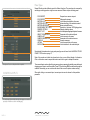
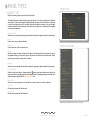
render options panel
several render layers are available, useful for compositing tasks. Calculating more layers will take
extra time at the beginning of the rendering phase. The output will be saved in the same directory
as set in the MxCl Render path.
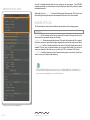
render: output the main render image.
alpha: output the alpha image.
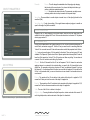
object id: output multicoloured material silhouettes.
zBuffer: Output an image representing scene depth within the two values specified in zBuffer
range. The range is in meters.
shadow: shadow pass shows the cast shadows of the materials with the “Matte shadow”
flag enabled.
Material id: output multicoloured object silhouettes.
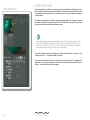
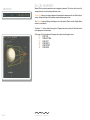
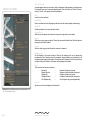
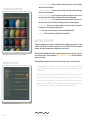
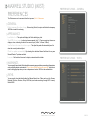
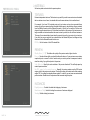
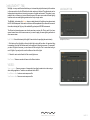
illUMination layers
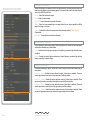
Choose whether to render direct lighting, indirect lighting or both. Render time could be slightly
reduced when disabling any of these layers.
direct: enables the direct lighting render layer. direct lighting is considered light that falls directly
on objects.
indirect: enables the indirect lighting render layer. indirect lighting is considered light that has
already bounced off of another object.
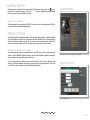
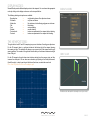
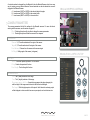
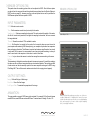
CaUstiCs layers
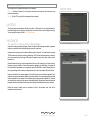
Controls the rendering of caustics. Render time could be slightly reduced when disabling any of
these layers.
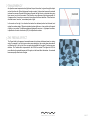
reflection – direct: Enables the direct reflected caustics (if direct layer is enabled). These are
caustic light patterns caused by direct light bounced off reflective objects.
reflection – indirect: Enables the indirect reflected caustics (if indirect layer is enabled). These
are caustic light patterns caused by indirect light bounced off reflective objects.
refraction – direct: enables the direct refracted caustics (if direct layer is enabled). These are
caustic light patterns caused by direct light going through refractive objects.
refraction – indirect: enables the indirect refracted caustics (if indirect layer is enabled). These
are caustic light patterns caused by indirect light going through refractive objects.
PAGE 86
Maxwell Render 1.6 User Manual
The lighT simulaTor