1
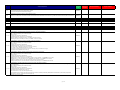
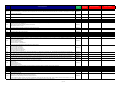
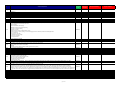
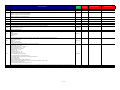
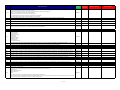
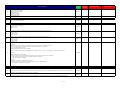
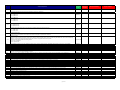
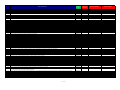
ID
Requirement
Priority
Technical Requirement
Languages to be supported:
a. Taxi Command & Control Centre: Bahasa Malaysia, English
1.2.2
b. Centralised Booking & Dispatch: Bahasa Malaysia, English
c. In-Taxi Vehicle Equipment: Bahasa Malaysia, English,
d. TEKS1M Booking & Dispatch (Optional): Bahasa Malaysia, English
Taxi Control Centre, Centralised Taxi Booking & Dispatch and In-Taxi Vehicle Equipment to be integrated:
a. Standardised user interface as defined by SPAD during the Requirements Gathering session.
1.2.3
b. Receive, store and process external data received via secure data transfer mechanism over web services: e.g. SOAP over HTTPS web services, REST over HTTPS web
services etc. The protocol must be an open standard.
1.2.4
Web-based interface and accessible via Internet and intranet
1.2.5
Supports role-based access on users, so that only eligible users can view, update or delete data based on the roles assigned to him/her.
1.2.6
Reporting features include development of standard reports, ability to create new reports by user and ability to query based on input parameters.
Intellectual property rights, including interfaces and source codes, to be owned by the Government of Malaysia. If source codes cannot be handed over to SPAD or the
1.2.7
Government of Malaysia, then the supplier must deposit the source codes in escrow, and must also demonstrate that the source code works.
Information displayed on the In-Vehicle Equipment, Taxi Control Centre and all reports must be localised to Malaysian values, e.g.:
1.2.8
a. Time zone: +0800 GMT
b. Currency: RM
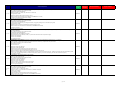
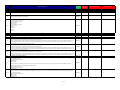
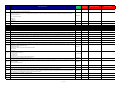
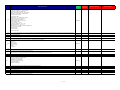
2. Taxi Command & Control Centre
2.1
Performance Management System (for taxis)
2.1.1
To supply, install, configure and maintain application, servers, storage and network equipment for Performance Management System
Provides capability to generate reports on the performance of taxi operators and driver including but not limited to the following, for forecasting and data planning
2.1.2
purposes. The reports must be able to be exported to other formats e.g. xls, csv, txt, rtf. This is to enable these reports to be utilised by other parties within SPAD e.g.
dashboard system.
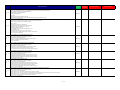
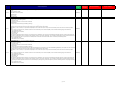
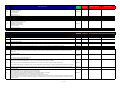
Operational Report: Operating distance and duration of service covered by taxi operators
Usage: To determine if taxi drivers are covering the minimum operating daily distance, as mandated by SPAD.
Fields (includes the following, but not limited to these):
a. Drivers' names
2.1.2.1 b. Company that the driver is attached with
c. Taxi Network Operator that the driver is attached with
d. Operating distance travelled by the driver, from 00:00 - 23:59 hrs on that day
e. Operating time that is travelled by the driver, from 00:00 - 23:59 hrs on that day
f.
Date the report
wasComparison
generated of no of passengers pickup by taxi operators
Operational
Report:
Usage: To determine the no. of passengers picked up by passengers on a daily basis.
Fields (includes the following, but not limited to these):
a. Drivers' names
b. Company that the driver is attached with
2.1.2.2 c. Taxi Network Operator that the driver is attached with
e. The total number of passengers picked up by the driver in that day
f. The number of trips completed by the driver in that day
g. The number of passengers picked up by the driver for each trip (exact, not estimate or average)
h. Start datetime and end datetime for each trip
i.
Date the report
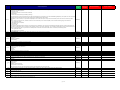
wasAnalysis
generated
Operational
Report:
of booking, dispatch and actual passenger pickup timings
Usage: To determine how closely the taxi operators and taxi network operators meet their SLAs. This will also be used to monitor and track taxi ridership.
Fields (includes the following, but not limited to these):
a. Drivers' names
b. Company that the driver is attached with
2.1.2.3 c. Taxi Network Operator that the driver is attached with
d. Booking time (i.e. exact time that the taxi booking request is sent by passenger, in YYYYMMDD hh:mi:ss format)
e. Dispatch time: (i.e. exact time that the taxi is dispatched to the passenger, in YYYYMMDD hh:mi:ss format)
f. Dispatch SLA missed by time (i.e. the time that the SLA is missed, in hh:mi:ss format)
g. Passenger pickup time (i.e. exact time that the taxi picked up the passengher, in YYYYMMDD hh:mi:ss format)
h. Pickup time SLA missed by time (i.e. the time that the SLA is missed, in hh:mi:ss format)
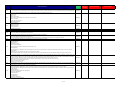
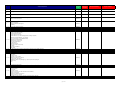
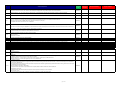
Operational Report: Average waiting time for taxis by taxi operator for peak & non-peak hrs
Usage: To determine the waiting time for taxis, as a proportion of the total trip time. This is to determine traffic patterns and to be used for planning purposes (e.g.
when reviewing fares).
Fields (includes the following, but not limited to these):
a. Drivers' names
b. Company that the driver is attached with
2.1.2.4
c. Taxi Network Operator that the driver is attached with
d. Start datetime and end datetime for each trip
e. GPS coordinates of the trips (to enable playback of trip)
f. GPS coordinates of the locations where the taxi waiting time exceeds a threshold pre-defined by SPAD (different threshold set for peak and off-peak periods)
g. Wait times (in seconds) - broken down and rolled-up per trip
h. Date the report was generated
page 2 of 35
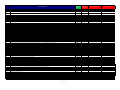
Mandatory
Mandatory
Mandatory
Mandatory
Mandatory
Mandatory
Mandatory
Mandatory
Mandatory
Mandatory
Mandatory
Mandatory
Mandatory
Mandatory
Statement of
Compliance
Development Mandays
Supplier Comments