1
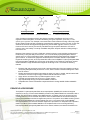
EPIGENTEK Complete Solutions for Epigenetics Aerosol resistant pipette tips Parafilm M 0.2 ml or 0.5 ml PCR vials GENERAL PRODUCT INFORMATION Quality Control: Each lot of the EpiQuik™ Hydroxymethylated DNA Immunoprecipitation (hMeDIP) Kit is tested against predetermined specifications to ensure consistent product quality. Epigentek guarantees the performance of all products in the manner described in our product instructions. Product Warranty: If this product does not meet your expectations, simply contact our technical support unit or your regional distributor. We also encourage you to contact us if you have any suggestions about product performance or new applications and techniques. Safety: Suitable lab coat, disposable gloves, and proper eye protection are required when working with this product. Product Updates: Epigentek reserves the right to change or modify any product to enhance its performance and design. The information in this User Guide is subject to change at any time without notice. Thus, only use the User Guide that was supplied with the kit when using that kit. Usage Limitation: The EpiQuik™ Hydroxymethylated DNA Immunoprecipitation (hMeDIP) Kit is for research use only and is not intended for diagnostic or therapeutic applications. Intellectual Property: The EpiQuikTM Hydroxymethylated DNA Immunoprecipitation (hMeDIP) Kit and the method of processing contain proprietary technologies by Epigentek. A BRIEF OVERVIEW DNA methylation occurs by the covalent addition of a methyl group at the 5-carbon of the cytosine ring, resulting in 5-methylcytosine (5-mC). In somatic cells, 5-mC is found almost exclusively in the context of paired symmetrical methylation of the dinucleotide CpG, whereas in embryonic stem (ES) cells, a substantial amount of 5-mC is also observed in non-CpG contexts. The biological importance of 5-mC as a major epigenetic modification in phenotype and gene expression has been widely recognized. Quite recently, a novel modified nucleotide called 5-hydroxymethyl-cytosine (5-hmC) has been detected to be abundant in mouse brains and embryonic stem cells. In mammals, it can be generated by the oxidation of 5-methylcytosine, a reaction mediated by the Tet family of enzymes and DNMT proteins. It is a hydroxylated and methylated form of cytosine. 110 Bi County Blvd. Ste. 122, Farmingdale, NY 11735 Tel: 1-877-374-4368 ■ Fax: 1-718-484-3956 ■ E-mail: info@epigentek.com ■ Web: www.epigentek.com © Epigentek Group Inc. All rights reserved. Products are for research use only. Page 3 Printed 2014-09-22 P-1038