1
Chapter 2
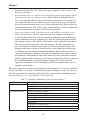
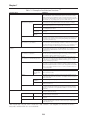
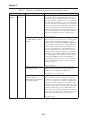
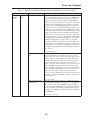
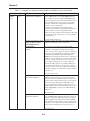
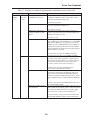
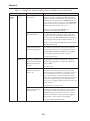
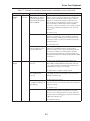
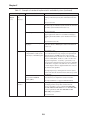
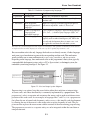
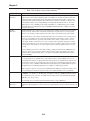
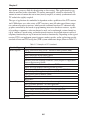
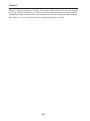
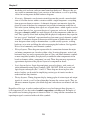
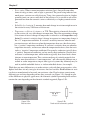
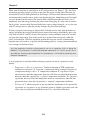
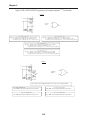
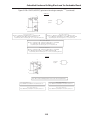
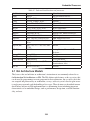
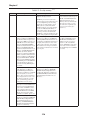
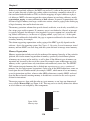
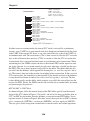
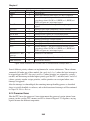
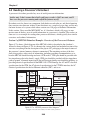
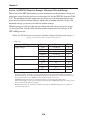
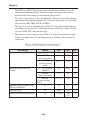
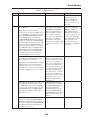
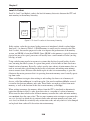
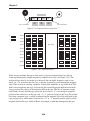
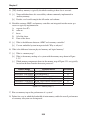
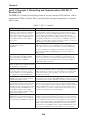
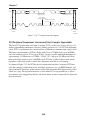
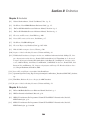
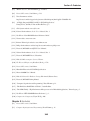
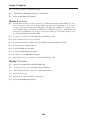
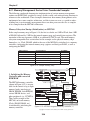
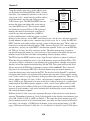
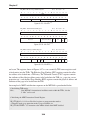
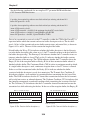
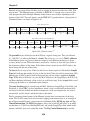
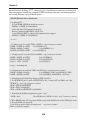
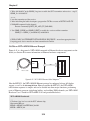
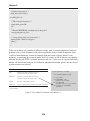
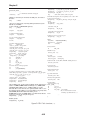
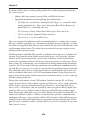
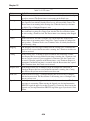
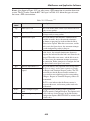
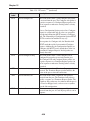
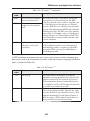
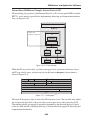
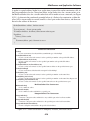
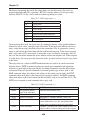
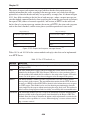
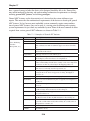
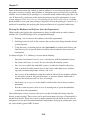
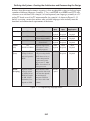
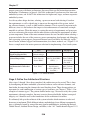
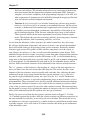
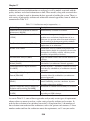
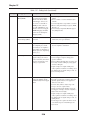
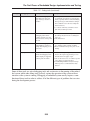
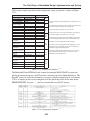
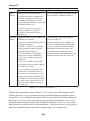
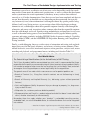
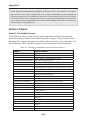
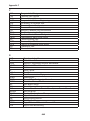
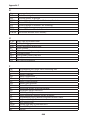
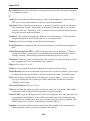
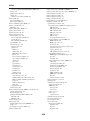
Table 2-1: Examples of standards implemented in embedded systems (continued)
Standard Type
Market
Industrial
Specific
Control
(cont.)
Standard
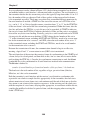
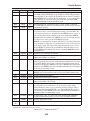
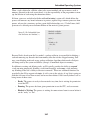
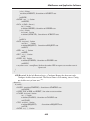
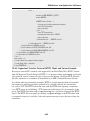
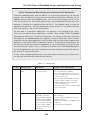
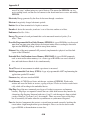
DICOM (Digital Imaging and
Communications in Medicine)
Purpose
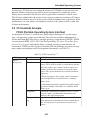
The American College of Radiology (ACR) and the National
Electrical Manufacturers Association (NEMA) formed a
joint committee in 1983 to develop the DICOM standard
for transferring images and associated information between
devices manufactured by various vendors, specifically to:
• Promote communication of digital image information,
regardless of device manufacturer
• Facilitate the development and expansion of picture
archiving and communication systems (PACS) that can also
interface with other systems of hospital information
• Allow the creation of diagnostic information data bases that
can be interrogated by a wide variety of devices distributed
geographically.[2-16]
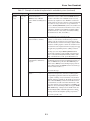
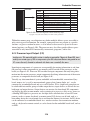
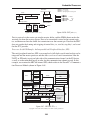
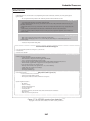
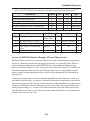
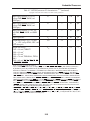
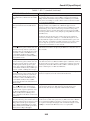
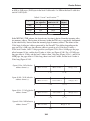
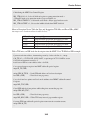
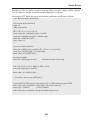
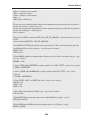
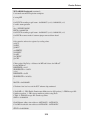
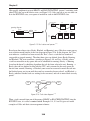
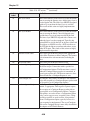
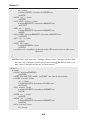
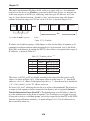
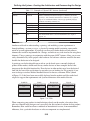
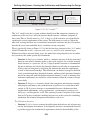
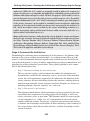
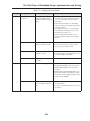
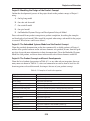
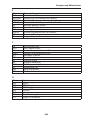
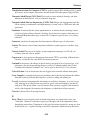
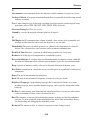
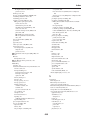
Department of Commerce (USA)
– Office of Microelectronics,
Medical Equipment and
Instrumentation
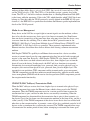
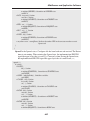
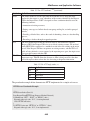
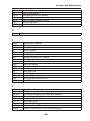
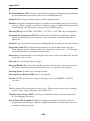
(EU) The Machinery Directive
98/37/EC
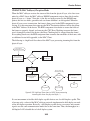
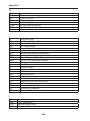
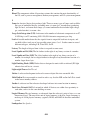
IEC (International Electrotechnical Commission 60204-1)
(See http://medical.nema.org/)
Maintains a website that contains the global medical device
regulatory requirements on a per country basis.
(See www.ita.doc.gov/td/mdequip/regulations.html)
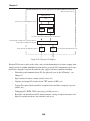
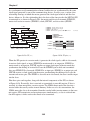
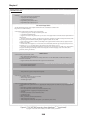
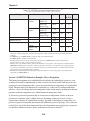
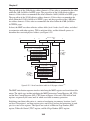
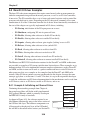
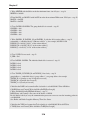
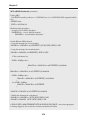
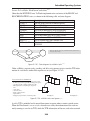
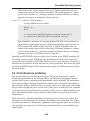
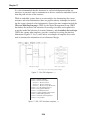
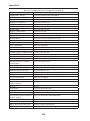
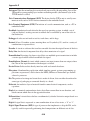
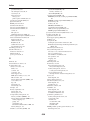
EU directive for all machinery, moving machines, machine
installations, and machines for lifting and transporting
people, as well as safety components. In general, machinery
being sold or used in the EU must comply with applicable
mandatory Essential Health and Safety Requirements
(EHSRs) from a long list given in the directive, and must undertake the correct conformity assessment procedure. Most
machinery, considered less dangerous can be self-assessed
by the supplier, and being able to assemble a Technical
File. The 98/37/EC applies to an assembly of linked parts
or components with at least one movable part—actuators,
controls, and power circuits, processing, treating, moving, or
packaging a material—several machines acting in combination, and so on.[2-18]
(See www.europa.eu.int)
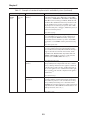
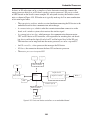
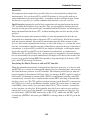
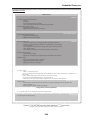
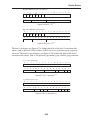
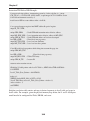
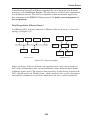
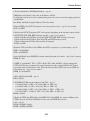
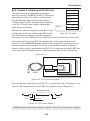
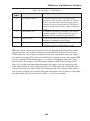
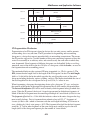
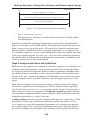
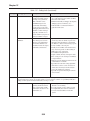
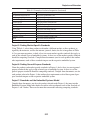
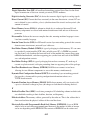
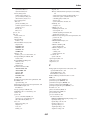
Applies to the electrical and electronic equipment of
industrial machines. Promotes the safety of persons who
come into contact with industrial machines, not only from
hazards associated with electricity (such as electrical shock
and fire), but also resulting from the malfunction of the
electrical equipment itself. Addresses hazards associated
with the machine and its environment. Replaces the second
edition of IEC 60204-1 as well as parts of IEC 60550 and
ISO 4336.[2-19]
(See www.iec.ch)
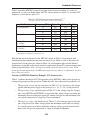
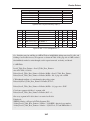
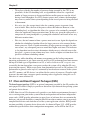
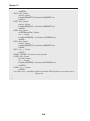
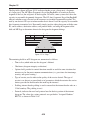
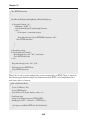
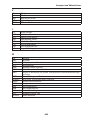
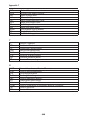
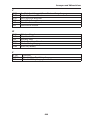
Many standards in the manufacturing engineering segment,
such as ISO/TR 10450—Industrial automation systems and
integration—Operating conditions for discrete part manufacturing; Equipment in industrial environments, ISO/TR
13283 Industrial automation; Time-critical communications
architectures; User requirements and network management
for time-critical communications systems, and so on.[2-20]
ISO (International Standards
Organization) Standards
(See www.iso.ch)
24