1
5.2. CHANGE OF FILE FORMATS
89
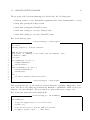
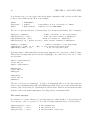
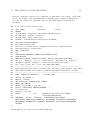
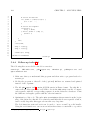
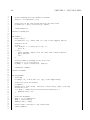
The program, called convert-missing.pl is divided into the following parts:
• Main program i.e. read command line arguments and load the alignment file to convert
• Subroutine parsing the Phylip format
• Subroutine parsing the ClustalW format
• Subroutine writing (to screen) a Phylip format
• Subroutine writing (to screen) a ClustalW format
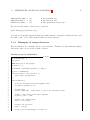
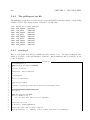
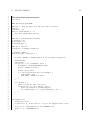
Here is the main program.
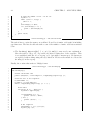
convert-missing.pl - Main program
1
2
3
use strict;
our(%Seq, @Species);
# Global variables
4
5
6
7
8
9
#### The main program ####
open my $FH, ’<’, $ARGV[1] or die "Cannot open file $ARGV[1]: $!\n";
my @indata = <$FH>;
close $FH;
10
11
12
13
14
15
16
17
18
19
20
21
if( uc($ARGV[0]) eq ’P2C’ ) {
ReadPhylip(@indata);
WriteClustalW();
}
elsif( uc($ARGV[0]) eq ’C2P’ ) {
ReadClustalW(@indata);
WritePhylip();
}
else {
die "Error: Unknown conversion mode!\n";
}
22
convert-missing.pl - Main program
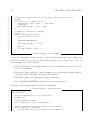
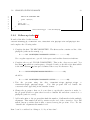
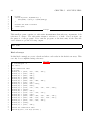
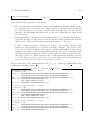
This program uses two global variables declared using the our(%Seq, @Species); statement. The file is read using the statement my @indata = <$INFILE>, which reads everything into the array @indata. The uc() function converts characters to upper case.
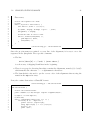
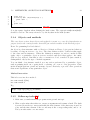
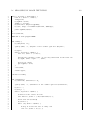
Here is the subroutine that reads a phylip file.
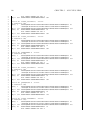
convert-missing.pl - sub ReadPhylip
1
2
sub ReadPhylip {
3
4
5
# Copy the supplied data to a local data array
my @data = @_;
6
7
8
# Use the first line to find the number of proteins
my ($nprot, $plen) = split ’ ’, shift @data;