1
Bruker AXS Handheld Inc S1 TRACER User Manual
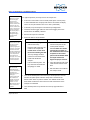
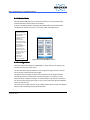
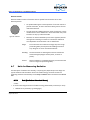
Beta Particles
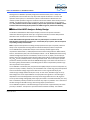
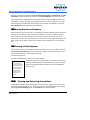
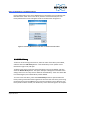
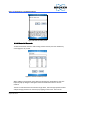
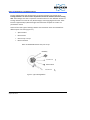
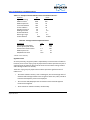
Figure 10: A Beta
Particle
•
Have a small mass and a negative charge (-), similar to an
electron.
•
Are emitted from the nucleus of an atom.
•
Ionize other atoms by stripping electrons out of their orbits with
their negative charge.
Range:
Small mass and negative charge give the beta particle a
range of about 10 feet in air. The negative charge limits
penetrating ability.
Shielding:
Most beta particles can be stopped by a few millimeters of
plastic, glass, or metal foil, depending on the density of the
material.
Hazard:
Although beta particles have a fairly short range, they are
still considered an external radiation hazard, particularly to
the skin and eyes. If ingested or inhaled, beta radiation may
pose a hazard to internal tissues.
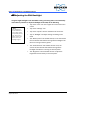
Gamma Rays and X-rays
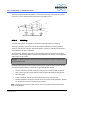
Gamma rays and X-rays are electromagnetic waves or photons of pure energy that have no
mass or electrical charge. Gamma rays and X-rays:
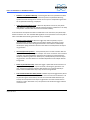
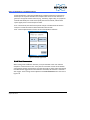
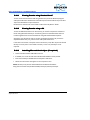
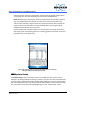
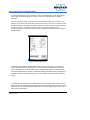
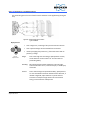
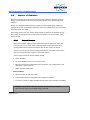
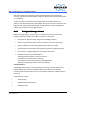
Figure 11:
A Gamma or X-ray
•
Are identical except that gamma rays come from the nucleus,
while X-rays come from the electron shells or from an X-ray
generating machine
•
Ionize atoms by interacting with electrons.
Range: Because gamma and X-rays have no charge or mass, they
are highly penetrating and can travel quite far. Range in air can be
easily several hundred feet.
Shielding:
Gamma and X-rays are best shielded by use of
dense materials, such as concrete, lead, or steel.
Hazard: Due to their range and penetrating ability, gamma and Xray radiation are considered primarily an external hazard.
Issued: 6/08
Supersedes: New
88