1
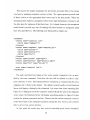
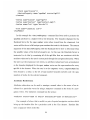
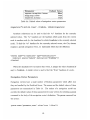
should be "all-nodes-fixed" and the value of the nodeId attribute should be 75. This
request is asking the DataLink Server to return all of the branches for each of the
children of the node vertex which are consistent with the set of attribute bindings:
{dataset = "all-nodes-f ixed", nodeId = 75}.
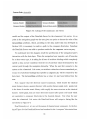
The client can specify additional parameters in a DataLink Server request using
the same name=value construct that is illustrated in this example. The DataLink
Server treats any additional arguments to the request which do not correspond to
attribute names as additional parameters for the content handler of the selected
vertex and passes them on to the content handler, without interference.
5.2.2
View Resource Requests
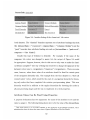
View resource requests ask the DataLink Server to serve a physical resource, without
invoking a query to the navigation layer. In order to do this, the attributes supplied
in the request must completely specify the resource to retrieve. History parameters
and additional parameters have no effect on view resource requests and are simply
ignored by the DataLink Server. The following is an example of a view resource
request:
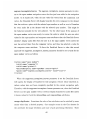
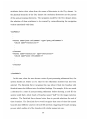
http://city.lcs.mit.edu:8080/data2/DataLink?view=sphere&resource=SPHERE
&nodeId=45&dataset=all-nodes-fixed&sphereres=64&res=half
As the example shows, a view resource request is specified by adding an additional parameter, resource to what would otherwise be a view request. The value
of this parameter should be the name of the data vertex which corresponds to the
resource to retrieve (when the DataLink Server returns branches that correspond to
physical resources, it includes this information in the curPathBean for use by the
DataLinkDispatcher).
5.2.3
Specifying Abstract State Values
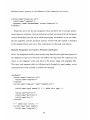
When making a request to the DataLink Server it is often necessary to make requests
with state attribute values given as abstract states.
90
After all, the whole idea of