1
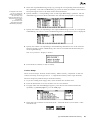
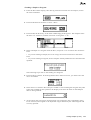
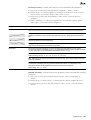
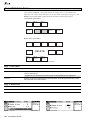
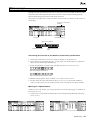
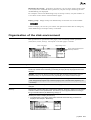
Example 1: 8 to 7 bit conversion
12 45 F7 A3 53 B0 3A—conv8_7 —> 09 22 7F 51 29 58 1D 1E
(7 bytes)
(8 bytes)
FILE
FUNCTIONS
FILE_F
F_DHDR
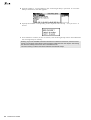
void conv8_7 ( dest, src )
FILE DUMP HEADER
unsigned char *dest, *src;
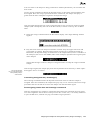
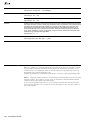
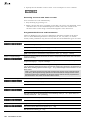
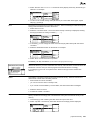
F0 2F 0c 01 oc <file name> ff <info> <location> cc F7
{
c = channel (0-F)
int i;
oc = own channel (0-F)
unsigned char accum = 0;
file name = 8 chars file name + 3 chars extension
ff = flags
for (i=0; i<7; i++)
{
info = 2 octects = 16 bytes of bynary info time/date/length/
instrument ID/file id
accum |= ((*src & 0x1) << i);
location = 1 up 80 chars string NULL terminate
*dest++ = (*src++ >> 1);
cc = checksum (xor of all bytes from 2F)
}
*dest = accum;
}
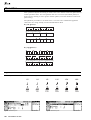
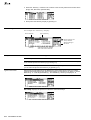
Example 2: 7 to 8 bit conversion
void conv7_8 (dest, src)
char *dest, *src;
{
int i;
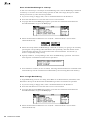
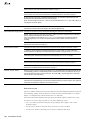
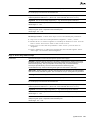
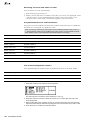
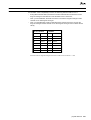
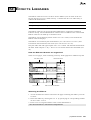
After the receiver has received the header, the _WAIT
command is sent back and the checksum test is then
performed; if the checksum test fails, the receiver sends
back a NACK command and the host must repeat the
header transmission. If the test is ‘ok’, the receiver sends
back an ACK command and the host can then send the
next packet.
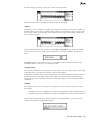
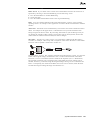
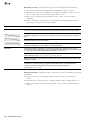
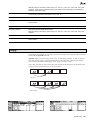
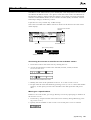
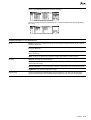
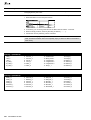
When the receiver has performed the <info> with conversion (conv7_8), the result is an 14 byte structure, as shown
in ex. 3 below.
char bit8 = src [7];
for (i = 7; i > 0; i—, bit8 >>= 1)
*dest++ = (*src++ << 1) + (bit8 & 1);
}
Example: 3 INFO structure
typedef struct
{
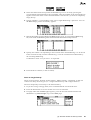
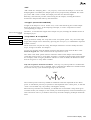
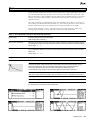
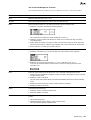
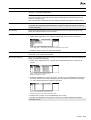
Handshake Commands
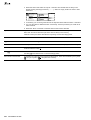
F0 2F fc ss hh oc F7
f = function number (0-7)
c = channel(0-F)
ss = subfunction (0-6F, 70-7F reserved)
hh = 7F = ACK (ok or go on)
7E = NACK (not ok, repeat last)
7D = CANCEL (abort operation)
short
Time;
short
Date;
long
Length;
char
DeviceClass;
char
DeviceSubClass;
char
DeviceRelease;
char
FileType;
char
FileFormat;
char
FileRelease;
}INFO;
7C = _WAIT (wait for response)
oc = own channel(0-F)
MIDI
vii