1
Use of the Multi-Sensor
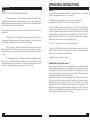
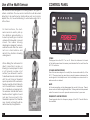
CONTROL PANEL
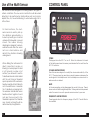
The multi-sensor was designed for locating leaks in all types of
surface conditions. The new sensor construction will allow leak
detection to be performed on hard surfaces such as concrete,
asphalt, tile, etc, as well as listening to water leaks under turf or
soft surfaces.
On hard surfaces, the mutisensor sensor is used to pick up
the vibrations generated by a
buried ruptured pipe located
underneath sidewalks or paved
streets. The rubber housing
diaphragm is designed to reduce
external sounds while the sensor
rests on a hard surface and
detects the vibrations traveling
underground.
POWER
When utilizing the multi-sensor for
direct connection to a pipe, or
listening to buried pipes located
in soft ground or under a turf
surface, you will need to use the
T-Handle and sound rods included
with the unit. Using a threaded
spacer provided on the extension
handle, carefully attach it directly
onto the Multi-Sensor. Assemble
the T- Handle by snapping both
the extension handle and sensor
handle sections together. Sound
rods are then secured to the
threaded coupler on the T- Handle
assy. Sound rod lengths will be
determined by its application.
8
This keypad turns the XLT-17 on or off. When the instrument is turned
off, all settings are stored in memory and retained for the next time the
XLT-17 is turned on.
VOLUME Arrow KeyPADS
Press Volume arrow keypad, to modify the volume and sensitivity of the
XLT-17. The arrow keys (up arrow/down arrow) increase or decrease the
audio signal to the headphones. Use the headphone volume knob to
reduce audio as desired.
MUTE
As the name applies, muting disengages the sound to the user. There is
also a control on all listening microphones. This keypad should be pressed
when the sensor is moved to prevent excessive noise to your ears.
FREQUENCY Arrow KeyPADS
These keypads allow the frequency range of the XLT-17 audio filters to
be modified.
5