1
EPICS Design Process
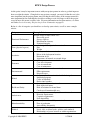
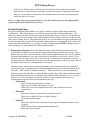
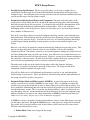
Using the DFMEA can help designers to anticipate problems that will come up when building and
testing designs. By determining what problems may occur before the design is complete and
incorporating those elements into the design, a more sound design will be created and the time
required to test and debug the design will be greatly diminished. Not only that, but there will also
then be a document listing the possible ways that the design could fail, and giving the ways that
these problems were addressed. This will help others to understand some of the design decisions
that were made, as well as helping to keep you, or your company, from getting sued for a failure in
a device.
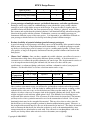
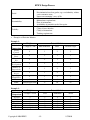
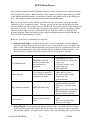
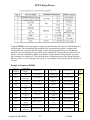
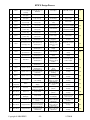
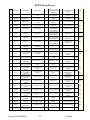
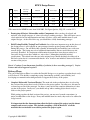
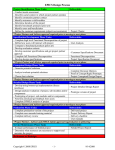
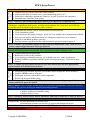
Example of Completed DFMEA:
Timer
2
Timer
3
2
None
7
42
Data Bus error
3
Daily observation
6
108
6
Chip Error
1
Daily observation
6
36
No time display
6
Chip Error
1
Daily observation
6
36
Timer outputting no
time
No time display
6
Bus Error
2
Daily observation
6
72
Timer
Timer Failing to
idle
Fatigue of laser
7
Incorrect/ drifting
setup
3
Daily observation
5
105
7
Timer
Timer Failing to
idle
No Reset
6
Incorrect/ drifting
setup
3
Daily observation
6
108
8
Timer
Timer Failing to
idle
Fatigue of sensor
7
Incorrect/ drifting
setup
3
Daily observation
5
105
9
Timer
Timer idle's too
quickly
Maze deactivates
7
Incorrect/ drifting
setup
3
Daily observation
5
105
10
Timer
Signal is
overdriven
Destroy attached part
9
Part Fatigue
2
Zeener / fuse
4
72
11
Timer
Signal is
overdriven
Destroy attached part
9
Power Input Spike
3
Power Regulation
2
54
SEV
Current Process
Controls for Effect
RPN
1
Potential Failure
Modes (process
defects)
Timer running too
fast
DET
Process
Function
(Component)
OCC
#
Potential Causes of
Failure (X's)
3
Configuration drift
Time Corruption
6
Timer Outputting
Incorrect time
Time Corruption
Timer
Timer outputting no
time
5
Timer
6
Potential Failure
Effects (Y's)
Inaccurate time
Timer Outputting
Incorrect time
Timer
4
Copyright © 2009 EPICS
- 21 -
1/7/2010