1
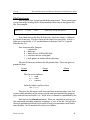
v. 3.78 The Law Enforcement and Forensic Examiner's Introduction to Linux In December of 2003, the Linux 2.6 kernel was released. This was another milestone in the Linux saga, and all of the newer “mainstream” distribution versions are based on the 2.6 kernel. Many of the changes in 2.6 over the previous 2.4 are geared toward enterprise use and scalability. The newer kernel release also has a number of infrastructure changes that have a significant impact on Linux as a forensic platform. For example, there is enhanced support for USB and a myriad of other external devices. Read up on udev for more information one one such change 1. We will very briefly discuss udev later in this section. As with all forensic tools, we need to have a clear view of how any kernel version will interact with our forensic platforms and subject hardware. Almost all current distributions of Linux already come with a 2.6 kernel installed by default. Slackware 12 has also moved to the 2.6 kernel series (2.6.24.5 in 12.1). Previous versions of this document suggested using an “older” (but updated) version of the kernel (2.4 series) to account for infrastructure changes in newer kernel versions that could adversely affect Linux employed as a forensic platform. This version of the Linux Forensic Practitioner's Guide has departed from that philosophy and we now use a distribution with a 2. 6 kernel by default. Still, it is both interesting and important to understand the implications of kernel choice on a forensic platform. So while we have moved on to the 2.6 kernel, we will still cover the differences and caveats to using a modern kernel.
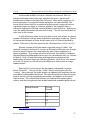
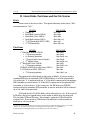
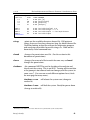
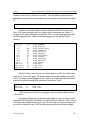
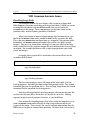
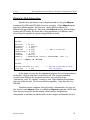
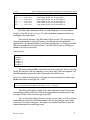
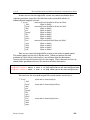
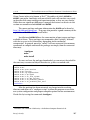
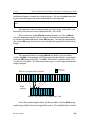
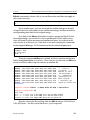
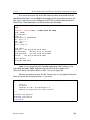
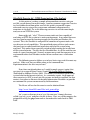
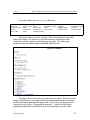
Prior to the 2.6 series kernel, the developers maintained 2 separate kernel “branches”. One was for the “stable” kernel, and the other was for “testing”. Once released, the stable kernel was updated with bug fixes and was considered a solid production kernel. The other kernel branch was the testing branch and was used to incorporate innovations and updates to the kernel infrastructure. The stable kernel had an even numbered secondary point release, and the testing branch had an odd numbered secondary point release. Stable branch
Testing Branch
2.0
2.1
2.2
2.3
2.4
2.5
2.6
??
1
http://www.kernel.org/pub/linux/utils/kernel/hotplug/udev.html Barry J. Grundy
17