1
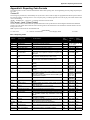
*XLGHOLQHVIRU/RFDWLQJ6PRNH&2'HWHFWRUV
The following information is for general guidance only and it is recommended that local fire codes and regulations be consulted when
locating and installing smoke and CO alarms.
6PRNH'HWHFWRUV
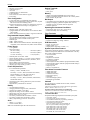
Research indicates that all hostile fires in homes generate smoke to a greater or lesser extent. Detectable quantities of smoke precede
detectable levels of heat in most cases. Smoke alarms should be installed outside of each sleeping area and on each storey of the home.
DSC recommends that additional smoke alarms beyond those required for minimum protection be installed. Additional areas that
should be protected include: the basement; bedrooms, especially where smokers sleep; dining rooms; furnace and utility rooms; and
any hallways not protected by the required units.
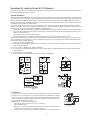
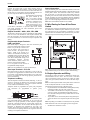
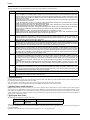
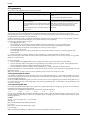
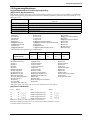
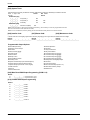
On smooth ceilings, detectors may be spaced 9.1m (30 feet) apart as a guide. Other spacing may be required depending on ceiling
height, air movement, the presence of joists, uninsulated ceilings, etc. Consult National Fire Alarm Code NFPA 72, CAN/ULC-S55302 or other appropriate national standards for installation recommendations.
•
Do not locate smoke detectors at the top of peaked or gabled ceilings; dead air space in these locations may prevent smoke detection.
•
Avoid areas with turbulent air flow, such as near doors, fans or windows. Rapid air movement around the detector may prevent
smoke from entering the unit.
•
Do not locate detectors in areas of high humidity.
•
Do not locate detectors in areas where the temperature rises above 38oC (100oF) or falls below 5oC (41oF).
Smoke detectors should always be installed in USA in accordance with Chapter 29 of NFPA 72, the National Fire Alarm Code: 29.5.1.1.
Where required by other governing laws, codes, or standards for a specific type of occupancy, approved single- and multiple-station
smoke alarms shall be installed as follows:
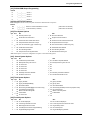
(1) In all sleeping rooms and guest rooms.
(2) Outside of each separate dwelling unit sleeping area, within 21 ft (6.4 m) of any door to a sleeping room, with the distance measured along a path of travel.
(3) On every level of a dwelling unit, including basements.
(4) On every level of a residential board and care occupancy (small facility), including basements and excluding crawl spaces and
unfinished attics.
(5) In the living area(s) of a guest suite.
(6) In the living area(s) of a residential board and care occupancy (small facility).
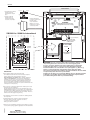
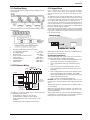
Figure 3
Figure 2
Figure 1
Figure 4
Figure 3a
&2'HWHFWRUV
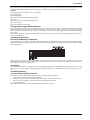
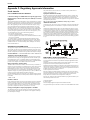
CO gas moves freely in the air. The human body is most vulnerable to the effects of CO gas during
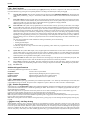
sleeping hours. For maximum protection, a CO alarm should be located outside primary sleeping
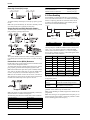
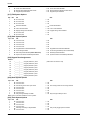
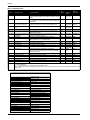
areas or on each level of your home. Figure 5 indicates the suggested locations in the home. The
electronic sensor detects carbon monoxide, measures the concentration and sounds a loud alarm
before a potentially harmful level is reached.
Do NOT place the CO alarm in the following areas:
•
Where the temperature may drop below -10ºC or exceed 40 ºC.
•
Near paint thinner fumes.
•
Within 5 feet (1.5 meters) of open flame appliances such as furnaces, stoves and fireplaces.
•
In exhaust streams from gas engines, vents, flues or chimneys.
•
Do not place in close proximity to an automobile exhaust pipe; this will damage the detector.
LL
BEDROOM
BEDROOM
BEDROOM
GROUND
FLOOR
KITCHEN
GARAGE
BASEMENT
CARBON MONOXIDE DETECTOR
Figure 5