1
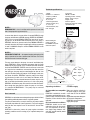
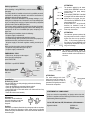
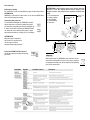
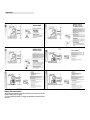
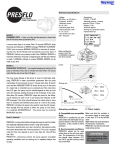
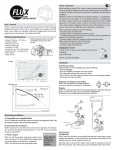
‐make sure that the specifications on the pump rating plate and the rated line values are the same. ‐connect the pump to an effective earth circuit and then connect the phases following the diagram on the terminal block cover or rating plate. ‐single‐phase motors are protected against overloads using a thermal device (overload cutout) fitted in the winding. Users are responsible for fitting a suitable protection device for three‐phase motors; ‐check that three‐phase pumps rotate clockwise when looking at the pump from the motor (rear) side, swapping over two of the phase connections if the motor turns counterclockwise. For pumps meant to be used in swimming pools and for outdoor use the supply cord should be properly sized depending on the motor amperage draw and length of the run. Please contact APPS for assistance if you think you have an application that fits this description. If a pump is not equipped with a supply cord and a plug, the power supply network should include a cut‐off device or system having a contact separation of at least 3mm in all pools. If a pump is provided with a supply cord and a plug, the pump must be positioned so that the plug is accessible. It’s advisable to install a residual current device (RCD) with a rated residual operating current not exceeding 30 mA. PRIMING: Fill the pump completely with clean water before energizing. The water should be poured in through the priming plug of the volute (housing) of the pump. When you have completed the operation, screw the plug back in again and start the pump. The pump should be primed again whenever it has not been used for a long period of time or when air has made its way into the system. IMPORTANT: Never run the pump empty. If this happens by mistake, switch the pump off, wait for it to cool down and then prime it using clean water. MAINTENANCE: APPS residential series pumps do not require any maintenance provided one takes the following precautions: When there is a risk of freezing, empty the pump through the drain plug on the bottom of the pump body, making sure you prime it when subsequently starting it again; check that the foot valve is clean at regular intervals; if the pump is to remain unused for a long period of time (e.g. in the winter) it is advisable to empty it completely, rinse it with clean water and store it in a dry place; if the shaft does not turn freely, release it using a flat head screwdriver inserting it in the rear of the motor; if this is not sufficient to solve the problem, remove the pump body, undoing the relevant mounting bolts, and clean it thoroughly to remove any encrustation. OFFICE & WAREHOUSE: 1615 W. 10th STREET ANTIOCH, CA 94509 • PH 925‐754‐5686 • FAX 925‐754‐5691