1
Referential Integrity
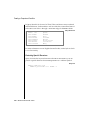
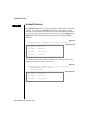
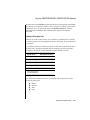
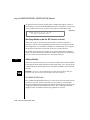
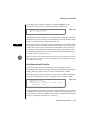
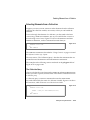
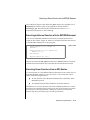
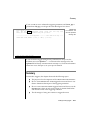
Logging Must Be Turned On
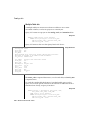
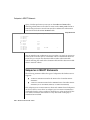
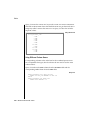
You must turn on logging in your current database for cascading deletes to
work. Logging and cascading deletes are discussed in “Transaction Logging”
on page 6-54.
Example of Cascading Deletes
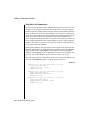
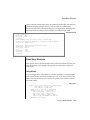
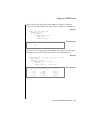
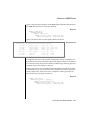
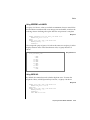
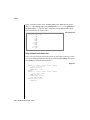
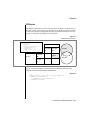
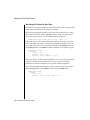
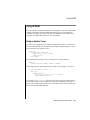
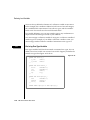
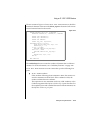
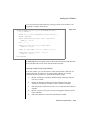
Suppose you have two tables with referential integrity rules applied, a parent
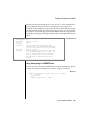
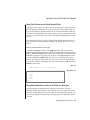
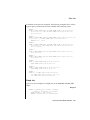
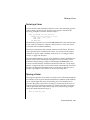
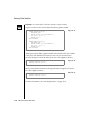
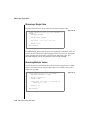
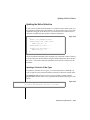
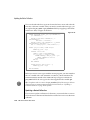
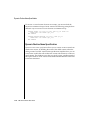
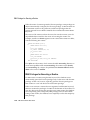
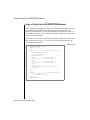
table, accounts, and a child table, sub_accounts. The following CREATE
TABLE statements define the referential constraints:
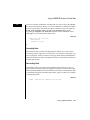
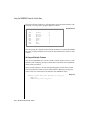
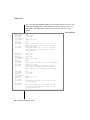
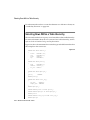
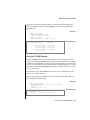
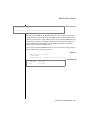
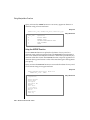
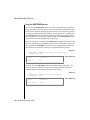
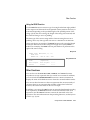
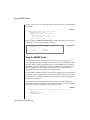
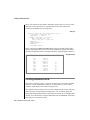
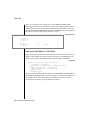
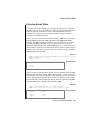
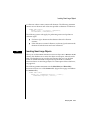
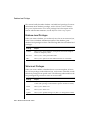
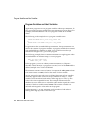
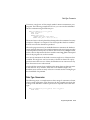
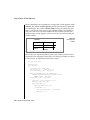
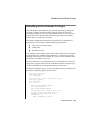
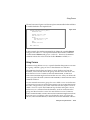
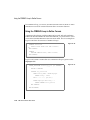
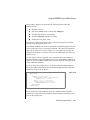
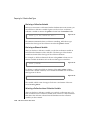
CREATE TABLE accounts (
acc_num SERIAL primary key,
acc_type INT,
acc_descr CHAR(20));
CREATE TABLE sub_accounts (
sub_acc INTEGER primary key,
ref_num INTEGER REFERENCES accounts (acc_num)
ON DELETE CASCADE,
sub_descr CHAR(20));
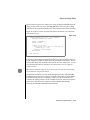
The primary key of the accounts table, the acc_num column, uses a SERIAL
data type, and the foreign key of the sub_accounts table, the ref_num column,
uses an INTEGER data type. Combining the SERIAL data type on the primary
key and the INTEGER data type on the foreign key is allowed. Only in this
condition can you mix and match data types. The SERIAL data type is an
INTEGER, and the database automatically generates the values for the
column. All other primary and foreign key combinations must match
explicitly. For example, a primary key that is defined as CHAR must match a
foreign key that is defined as CHAR.
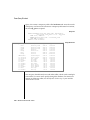
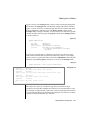
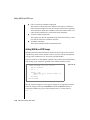
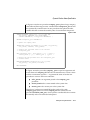
The definition of the foreign key of the sub_accounts table, the ref_num
column, includes the ON DELETE CASCADE option. This option specifies that
a delete of any row in the parent table accounts will automatically cause the
corresponding rows of the child table sub_accounts to be deleted.
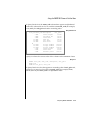
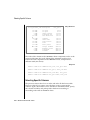
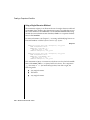
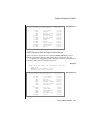
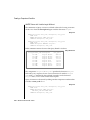
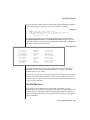
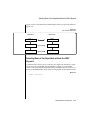
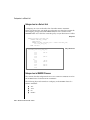
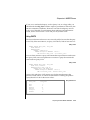
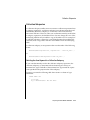
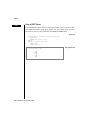
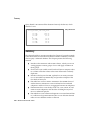
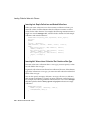
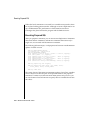
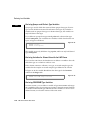
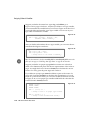
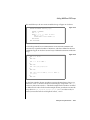
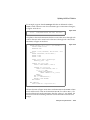
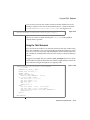
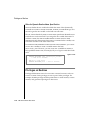
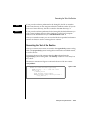
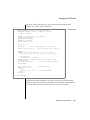
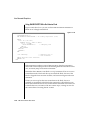
To delete a row from the accounts table that will cascade a delete to the
sub_accounts table, you must turn on logging. After logging is turned on,
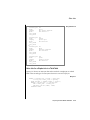
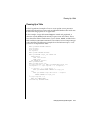
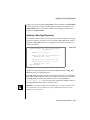
you can delete the account number 2 from both tables, as the following
example shows:
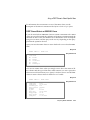
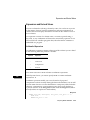
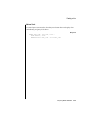
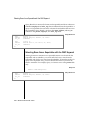
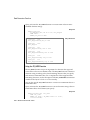
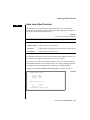
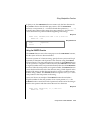
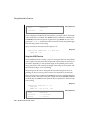
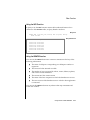
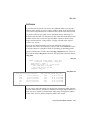
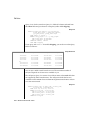
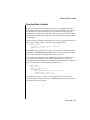
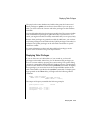
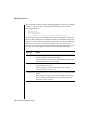
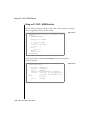
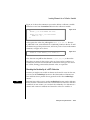
DELETE FROM accounts WHERE acc_num = 2
Modifying Data
6-41