1
SCENARIOS
-5
-8
9
-17
-18
dB
1,0
1,0
SC Extern
0,01
6,0
6,0
Hi
dB
150
ms
200
260
12
52
1k3
26
Hz
2k2
1k2
11
9
Anti Log
21
0
dB
-4,0
4,0
6,0
2,0
EQ Gain
3,0
Left
Link
On
Hi
dB
150
ms
200
260
450
Hz
5
ms
11
1k2
9
x10
2k2
5
-2,0
1,2
-4,0
1:X
4,0
6,0
Gain
3,0
2,0
0
dB
-1,0
-3,0
10
1,0
1,5
21
-0,3
1,3
Anti Log
3
19
10
1,6
GR Limit
13
15
17
1k3
26
930
5,0
Ratio
2,0
600
7
Auto Fast
700
28
380
12
EQ Freq
90
52
6,0
Lo
0,01
36
4,5
20
dB
1,0
6,0
17
0
1,0
2,0
4,5
13
0,5
On
-18
3,0
10
1,0
SC Extern
dB
140
Release
26
100
1,0
150
50
70
5,0
16
85
Attack
8,0
-15
-17
21
13
-13
14
Gain
3,0
5
1,5
1:X
17
Threshold
9
-3,0
1,2
-8
5
-2,0
1,3
3
19
x10
-1,0
GR Limit
13
15
17
700
28
ms
-5
0
-0,3
1,6
930
5
450
36
On
Auto Fast
10
2,0
600
7
5,0
Ratio
380
EQ Freq
90
3,0
4,5
Lo
140
Release
26
100
1,0
150
50
70
EQ Gain
2,0
3,0
4,5
85
Attack
5,0
-15
14
21
13
8,0
-13
16
17
Threshold
0
5
On
13
0,5
17
0
20
dB
Right
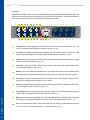
Transient Enhancer
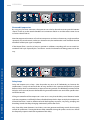
A special task is to emphasize the transients at the beginning of a tone, chord and so on. The
Gain Reduction Limiter is of special importance in this scenario. The chosen parameters result in a
rather strong compression with quite fast release times and even negative ratios.
Without the limiter the signal would be compressed much too strongly; 10 to 15 dB of gain reduction would occur quite regularly in this case. But now the limiter comes into play by reducing
maximum amount of gain reduction to 6 dB. If now the gain controller is also set to 6 dB, the signal
will be boosted by 6 dB at its beginning and will then be held at 0 dB in its further course.
If for example an organ is processed this way, it sounds firmer as its transients receive an accentuation. And no matter if a single note or a full chord is played – the output level will always stay the
same, so that the result does not sound like typical compression.
-5
-8
SCENARIOS – Transient Enhancer & Groove Ducking
14
-17
14
dB
1,0
-18
1,0
SC Extern
3,0
4,5
6,0
6,0
Lo
dB
140
1,0
0,01
Hi
150
ms
200
260
90
On
Auto Fast
1k3
26
Hz
2k2
930
7
5
ms
1k2
11
9
Anti Log
5
17
1,5
21
dB
0
-5
-1,0
-3,0
1,2
1:X
-4,0
4,0
6,0
3,0
On
dB
1,0
1,0
EQ Gain
3,0
4,5
20
6,0
Lo
Left
Link
dB
Hi
0,01
150
ms
200
260
90
52
On
26
Hz
2k2
930
5
ms
11
EQ Freq
1k3
380
1k2
9
x10
1,5
21
dB
0
-1,0
-2,0
-3,0
1,2
1:X
4,0
-4,0
6,0
Gain
3,0
2,0
10
1,0
3
19
-0,3
1,3
Anti Log
5
17
10
2,0
GR Limit
13
15
5,0
Ratio
1,6
600
7
Auto Fast
700
28
Release
26
12
450
36
4,5
6,0
17
0
-18
2,0
13
0,5
dB
140
150
50
70
100
1,0
SC Extern
85
Attack
8,0
5,0
16
3,0
10
1,0
-17
21
13
-13
-15
14
Gain
17
Threshold
5
9
-2,0
1,3
-8
0
-0,3
2,0
3
19
10
2,0
1,6
GR Limit
13
15
x10
5,0
Ratio
380
600
EQ Freq
700
28
Release
26
12
450
36
150
50
70
100
52
4,5
85
Attack
5,0
EQ Gain
2,0
3,0
21
13
8,0
-13
-15
16
17
Threshold
0
5
9
On
13
0,5
17
0
dB
20
Right
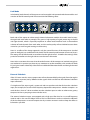
Groove Ducking
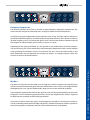
The external sidechain input can be used to achieve specific groovy effects. Here the sidechain
is triggered by a rhythmical signal like a 4 beat bass drum. The audio path can carry any desired
sounds which are then reduced in the rhythm of the bass drum and therefore start to groove in
sync with that beat.
Especially the release parameter can be used to adapt the timing of the effect to the tempo of the
song, whereas the Anti Log mode offers interesting variations. If, for example, a 16 beat HiHat is
processed in this way, it will benefit from a nice vivid groove it will now move in.
Bass sounds can now receive a stronger accentuation, as the ducking effect creates more space
in the mix and the focus is shifted more onto the 4 beat bass drum. If the mpressor is inserted
into the subgroup of a mixing console, you will also be able to trigger an arrangement of various
instruments etc. via the external sidechain.