1
588
CHAPTER 11. DEVELOPER DOCUMENTATION
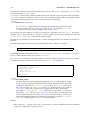
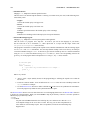
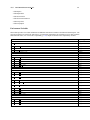
• Auth ID checking [is the user who they say they are?]
• Auth access checking [is the user authorized here?]
• Access checking other than auth
• Determining MIME type of the object requested
• ‘Fixups’ – there aren’t any of these yet, but the phase is intended as a hook for possible extensions like S ET E NV,
which don’t really fit well elsewhere.
• Actually sending a response back to the client.
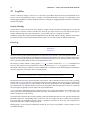
• Logging the request
These phases are handled by looking at each of a succession of modules, looking to see if each of them has a handler
for the phase, and attempting invoking it if so. The handler can typically do one of three things:
• Handle the request, and indicate that it has done so by returning the magic constant OK.
• Decline to handle the request, by returning the magic integer constant DECLINED. In this case, the server
behaves in all respects as if the handler simply hadn’t been there.
• Signal an error, by returning one of the HTTP error codes. This terminates normal handling of the request,
although an ErrorDocument may be invoked to try to mop up, and it will be logged in any case.
Most phases are terminated by the first module that handles them; however, for logging, ‘fixups’, and non-access
authentication checking, all handlers always run (barring an error). Also, the response phase is unique in that modules
may declare multiple handlers for it, via a dispatch table keyed on the MIME type of the requested object. Modules
may declare a response-phase handler which can handle any request, by giving it the key */* (i.e., a wildcard MIME
type specification). However, wildcard handlers are only invoked if the server has already tried and failed to find a
more specific response handler for the MIME type of the requested object (either none existed, or they all declined).
The handlers themselves are functions of one argument (a request rec structure. vide infra), which returns an
integer, as above.
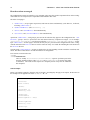
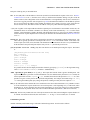
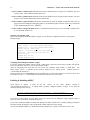
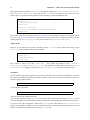
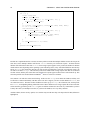
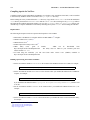
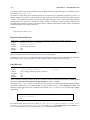
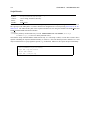
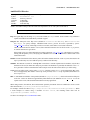
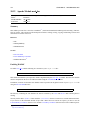
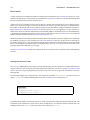
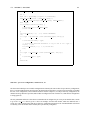
A brief tour of a module
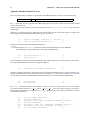
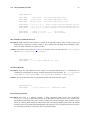
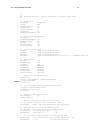
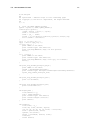
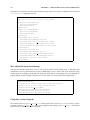
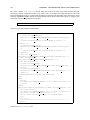
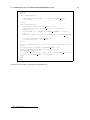
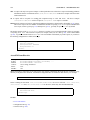
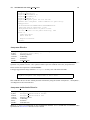
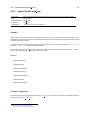
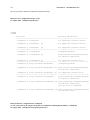
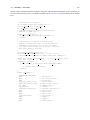
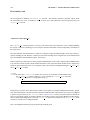
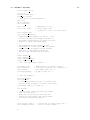
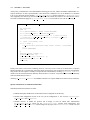
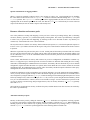
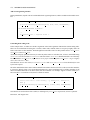
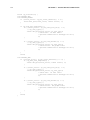
At this point, we need to explain the structure of a module. Our candidate will be one of the messier ones, the CGI
module – this handles both CGI scripts and the S CRIPTA LIAS config file command. It’s actually a great deal more
complicated than most modules, but if we’re going to have only one example, it might as well be the one with its
fingers in every place.
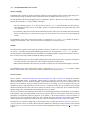
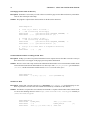
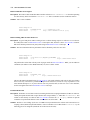
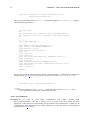
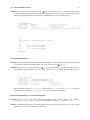
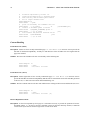
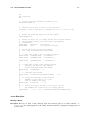
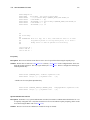
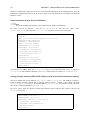
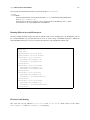
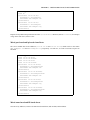
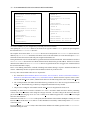
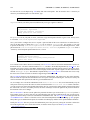
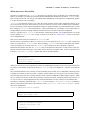
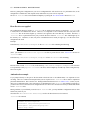
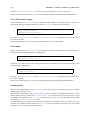
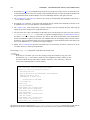
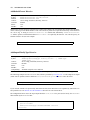
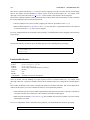
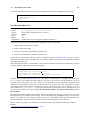
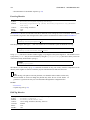
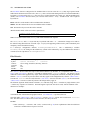
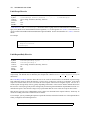
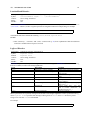
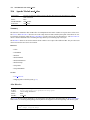
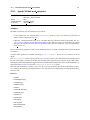
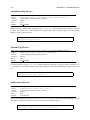
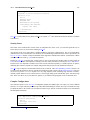
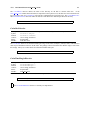
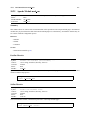
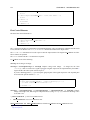
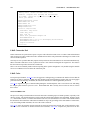
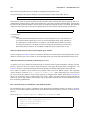
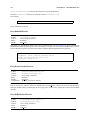
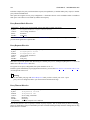
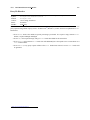
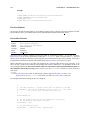
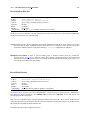
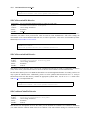
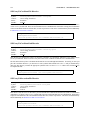
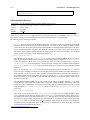
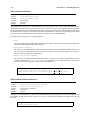
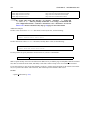
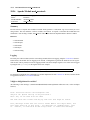
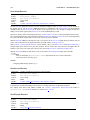
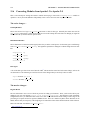
Let’s begin with handlers. In order to handle the CGI scripts, the module declares a response handler for them.
Because of S CRIPTA LIAS, it also has handlers for the name translation phase (to recognize S CRIPTA LIASed URIs),
the type-checking phase (any S CRIPTA LIASed request is typed as a CGI script).
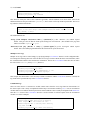
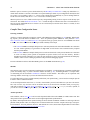
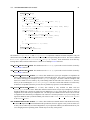
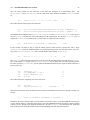
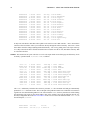
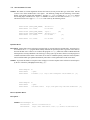
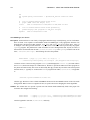
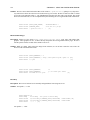
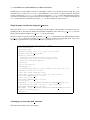
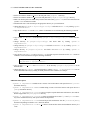
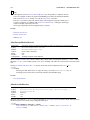
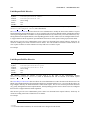
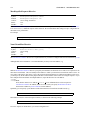
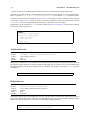
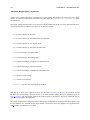
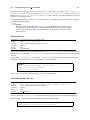
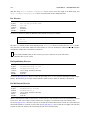
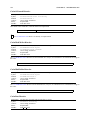
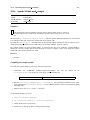
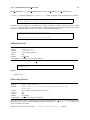
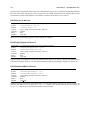
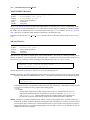
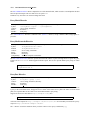
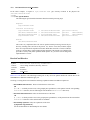
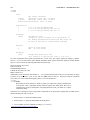
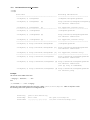
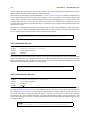
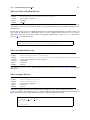
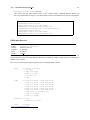
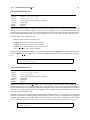
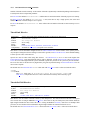
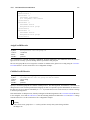
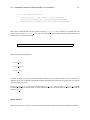
The module needs to maintain some per (virtual) server information, namely, the S CRIPTA LIASes in effect; the module
structure therefore contains pointers to a functions which builds these structures, and to another which combines two
of them (in case the main server and a virtual server both have S CRIPTA LIASes declared).
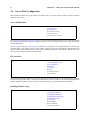
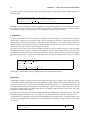
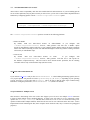
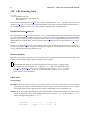
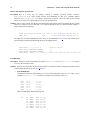
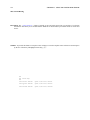
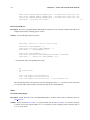
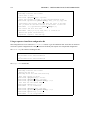
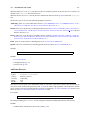
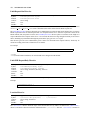
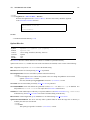
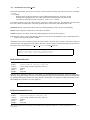
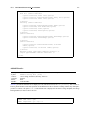
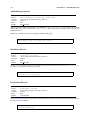
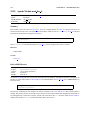
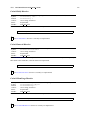
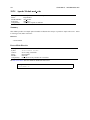
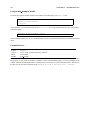
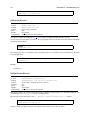
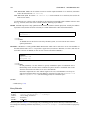
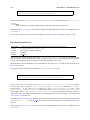
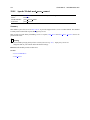
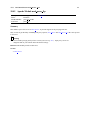
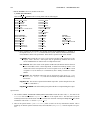
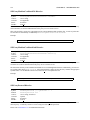
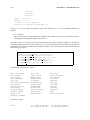
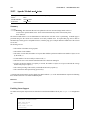
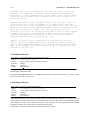
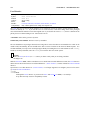
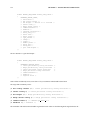
Finally, this module contains code to handle the S CRIPTA LIAS command itself. This particular module only declares
one command, but there could be more, so modules have command tables which declare their commands, and describe
where they are permitted, and how they are to be invoked.
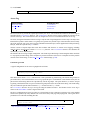
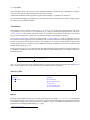
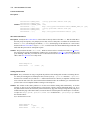
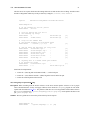
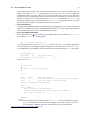
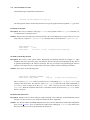
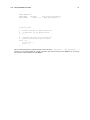
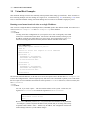
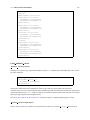
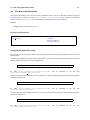
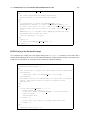
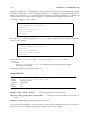
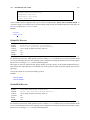
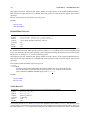
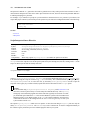
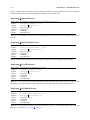
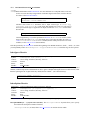
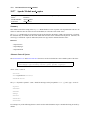
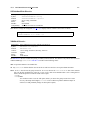
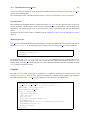
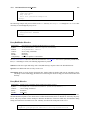
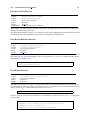
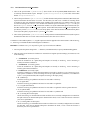
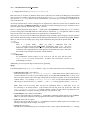
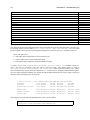
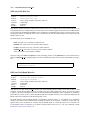
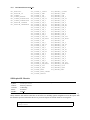
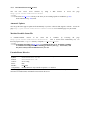
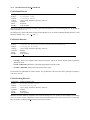
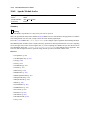
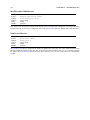
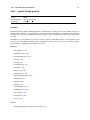
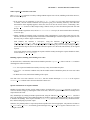
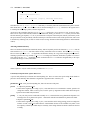
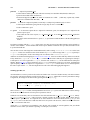
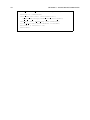
A final note on the declared types of the arguments of some of these commands: a pool is a pointer to a resource pool
structure; these are used by the server to keep track of the memory which has been allocated, files opened, etc., either
to service a particular request, or to handle the process of configuring itself. That way, when the request is over (or, for
the configuration pool, when the server is restarting), the memory can be freed, and the files closed, en masse, without
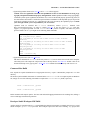
anyone having to write explicit code to track them all down and dispose of them. Also, a cmd parms structure