1
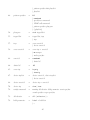
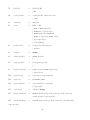
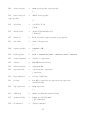
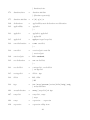
Contents
1 Introduction
5
2 The need for LSL
6
3 Basic definitions and LSL requirements
3.1 ASPECs and realizations . . . . . . . . . . . . . . . . . . . . . . . . . . . . .
7
7
3.2
Occurrence space characterization . . . . . . . . . . . . . . . . . . . . . . . .
8
3.3
Sound space characterization . . . . . . . . . . . . . . . . . . . . . . . . . . .
9
3.4
Programming language independence . . . . . . . . . . . . . . . . . . . . . .
9
4 Features and syntax of LSL
9
4.1
Constants, variables, and types . . . . . . . . . . . . . . . . . . . . . . . . .
11
4.2
Sound pattern specification
. . . . . . . . . . . . . . . . . . . . . . . . . . .
17
4.3
4.4
Event notification . . . . . . . . . . . . . . . . . . . . . . . . . . . . . . . . .
Data tracking . . . . . . . . . . . . . . . . . . . . . . . . . . . . . . . . . . .
17
21
4.5
Activity monitoring . . . . . . . . . . . . . . . . . . . . . . . . . . . . . . . .
22
4.6
Timed events . . . . . . . . . . . . . . . . . . . . . . . . . . . . . . . . . . .
23
4.7
4.8
Playback synchronization . . . . . . . . . . . . . . . . . . . . . . . . . . . . .
Assignments, loops, and conditionals . . . . . . . . . . . . . . . . . . . . . .
24
25
4.9
Controlling auralization state . . . . . . . . . . . . . . . . . . . . . . . . . .
25
4.10 Event, data, and activity classes . . . . . . . . . . . . . . . . . . . . . . . . .
27
4.11 Embedding LSL commands . . . . . . . . . . . . . . . . . . . . . . . . . . .
28
5 Examples of LSL/C use
29
6 LSL in a programming environment
35
6.1
LSL editor . . . . . . . . . . . . . . . . . . . . . . . . . . . . . . . . . . . . .
36
7 An LSL implementation outline
7.1 LSL preprocessor . . . . . . . . . . . . . . . . . . . . . . . . . . . . . . . . .
37
38
7.2
Graphic interface . . . . . . . . . . . . . . . . . . . . . . . . . . . . . . . . .
39
7.3
The LSL sound library . . . . . . . . . . . . . . . . . . . . . . . . . . . . . .
40
8 Summary
40
Acknowledgements
41
2