1
Recommended
Material Thickness
and Element/Bead
Application Rates
Applying Series 5000 to the proper thickness and with the proper reflective media application rate is
important to achieve optimal performance of the finished product.
Material Thickness and Application Requirements
The recommended material binder thickness will vary depending on the roughness of the surface
proposed for application of the product.
The installer of the markings is responsible for meeting the following requirements:
Table 1—Binder Application
Surface
Description or Use
Smooth (variation ≤ 0.125") pavement
(asphalt, concrete, grooved or
surface treatment)
Textured or variation ≥ 0.125”
(open graded, large stone mixes,
tined or sawn concrete, chip seal)
Over well worn
existing markings
For use as temporary markings
(prior to durable marking
application)
1
Recommended Series 5000 Liquid Binder
Thickness
(1 inch = 1000 mils)
& Usage Rates1
20 to 25 mils
(240-220 lineal feet per
gallon of 4-inch line width)
25 to 30 mils
(190-160 lineal feet per
gallon of 4-inch line width)
20 to 25 mils
(240-220 lineal feet per
gallon of 4-inch line width)
10 to 15 mils
(480-320 lineal feet per
gallon of 4-inch line width)
Application rates calculated using a conversion of 231 cubic inches per US liquid gallon.
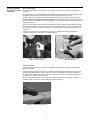
Prior to starting a project, apply a line of Series 5000 without optics on a smooth, flat surface and check
the thickness of the material using a wet mil thickness gauge. Adjust the application speed as necessary
to achieve the proper material thickness.
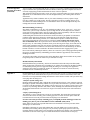
An alternative method for checking the thickness of the material is to apply a test line without optics to
3M™ Duct Tape or other release liner material and allow the Series 5000 material to cure. After curing,
peel the material off the tape or liner and check the thickness of the material using a caliper gauge or
micrometer.
Reflective Media Application Rates
Microcrystalline element and glass beads application rates are shown in Table 2 and Table 3.
The minimum recommended element application rates stated in Table 2 are for smooth or dense
pavement surfaces. The application rates stated are designed to provide good initial wet and/or dry
reflectivity as well as to match the longevity or restripe frequency of the pavement marking binder
system to which the elements are installed. Therefore durable marking binder systems will require
greater amount of elements for longer-term performance.
Note: For rough pavement surfaces (open-graded mixes, large stone aggregate mixes, etc.), the surface
area can be up to 50 percent greater than the corresponding foot-print of a flat surface. As a result it
becomes necessary to increase materials (binder, elements and beads) used for the same coverage.
Table 2 — Microcrystalline Element or First Drop Glass Bead Application Rates
Units
Composite
Reflective Elements
Pounds per 4-inch lf
0.022 lbs/4-inch lf
Grams per 4-inch lf
10 grams per 4-inch lf
Pounds per gallon 20 mils ~ 240 ft/gal
5.30 lbs/gal per 4-inch lf
Pounds per gallon 25 mils ~ 190 ft/gal
4.2 lbs/gal per 4-inch lf
3