1
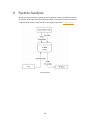
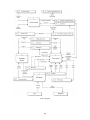
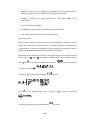
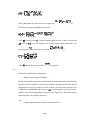
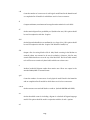
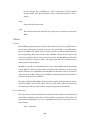
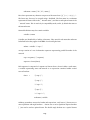
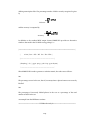
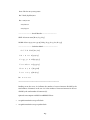
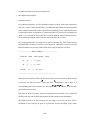
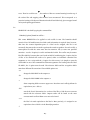
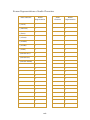
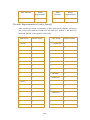
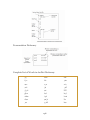
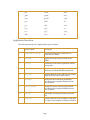
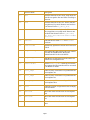
that substitutes every possible sound in the Arabic language with a phonetic symbol (Appendix B – Other Tools and Resources). This is also a symbolic representation that does not require the substitutes to match in sound. Any Arabic phoneme can be replaced with any phonetic symbol. Phonetic symbols are usually denoted with two lower case roman characters. Unlike the previous step, the pronunciation algorithm is not a straight forward mapping function but rather a more complex algorithm. This is due to the fact that same letters are pronounced differently depending on the context in which they appear. The algorithm must therefore consider not only the cases where the written representations match the spoken form, but also the special cases that produce sounds that are different from the written representation. Pronunciation Algorithm A good example of the mismatch of spoken and written representations is (ا(ی )ال. The ( )لis either pronounced naturally (Qamariya) or omitted (Shamsiya) depending on the letter that follows it. In cases where it is omitted, the letter that follows is emphasized with a (Shadda). Also, when the word containing (ا(ی )الoccurs in the middle of the sentence, the pronunciation of the letter ( )اis also omitted, as appose being pronounced when occurring at the beginning of the sentence. A second case is ($)ا )ه*ةwhich is also either omitted or pronounced depending on its location in the sentence. A third important example concerns the three letters (یء ، واو،)أ. The dilemma lies within knowing when they are pronounced as consonants and when they are pronounced as vowels. The diacritic on the letter preceding these three characters, as well as the diacritic on the letter itself, determine whether they are vowels or not. ( )أis preceded with a (), ( )واوis preceded with a (), ( )یءis preceded with a ()آة, and all three must have a (ن. )ﺱdiacritic. 36