1
Sending and receiving PCS-user information
Sending and receiving PCS information elements
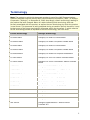
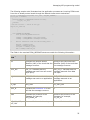
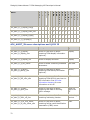
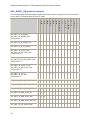
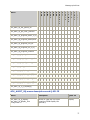
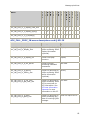
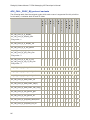
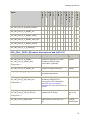
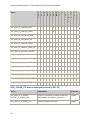
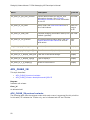
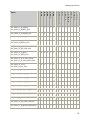
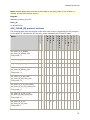
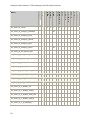
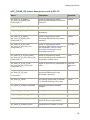
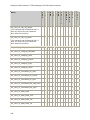
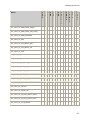
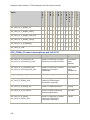
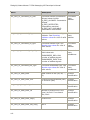
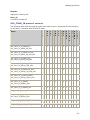
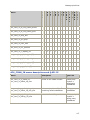
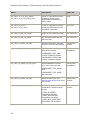
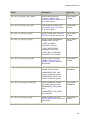
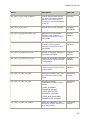
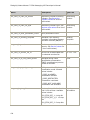
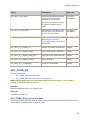
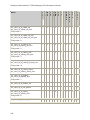
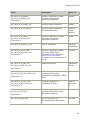
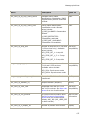
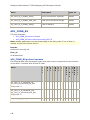
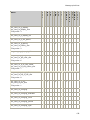
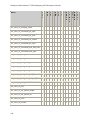
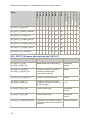
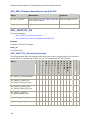
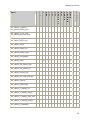
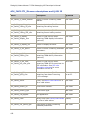
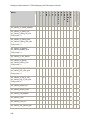
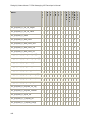
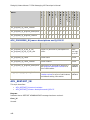
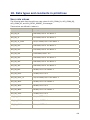
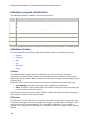
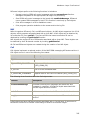
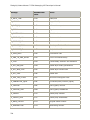
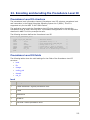
An application using the ISDN Messaging API interface can send and receive user-to-PCS
and PCS-to-user information elements, for the VN6 variant only, in the following primitives:
•
ACU_ALERT_IN
•
ACU_ALERT_RQ
•
ACU_CLEAR_IN
•
ACU_CLEAR_CO
•
ACU_CLEAR_RQ
•
ACU_CLEAR_RS
•
ACU_CONN_CO
•
ACU_CONN_IN
•
ACU_CONN_RQ
•
ACU_CONN_RS
•
ACU_FACILITY_IN
•
ACU_FACILITY_RQ
•
ACU_PROGRESS_IN
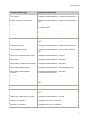
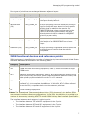
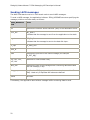
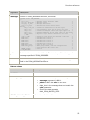
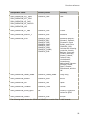
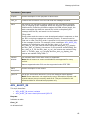
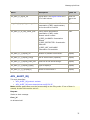
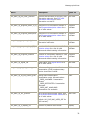
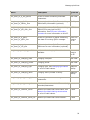
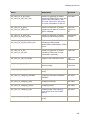
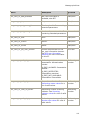
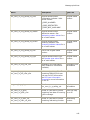
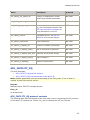
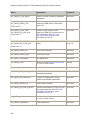
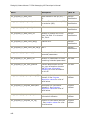
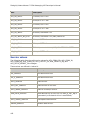
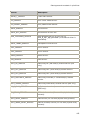
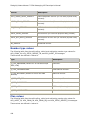
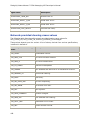
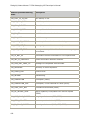
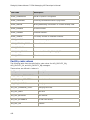
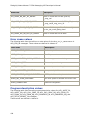
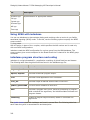
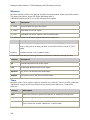
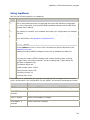
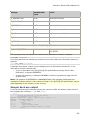
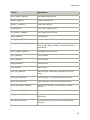
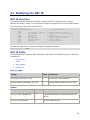
The NMS ISDN stack provides three macros for each primitive, for accessing these
information elements. (xxx represents the primitive name, such as conn_rq):
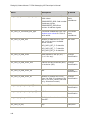
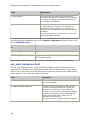
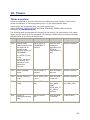
Macro
Description
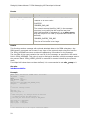
Acu_xxx_pcs_user_size
Size of the pcs_user information.
Acu_xxx_pcs_user_protocol
Protocol discriminator for the pcs_user information
element (can assume the values:
ACUPCS_USER_TRANSGROUP,
ACUPCS_USER_PUBLIPHONE,
ACUPCS_USER_CALL_ROUTING,
ACUPCS_USER_DIALOGUE).
Acu_xxx_a_pcs_user
Address of the pcs_user information.
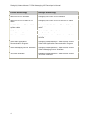
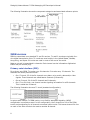
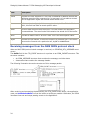
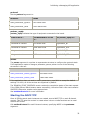
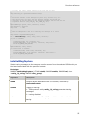
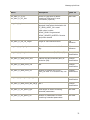
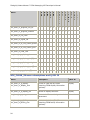
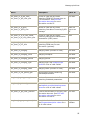
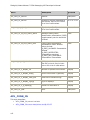
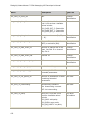
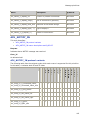
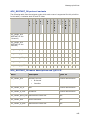
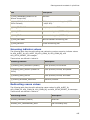
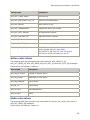
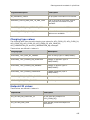
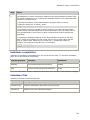
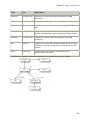
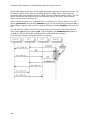
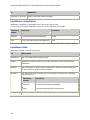
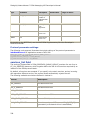
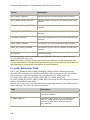
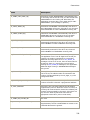
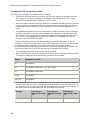
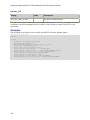
The application can send pcs_user macros in the connected state, using the
ACU_FACILITY_RQ primitive. In this case, in addition to the pcs_user macros previously
described, the following macros must be set:
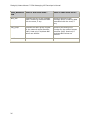
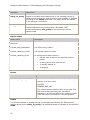
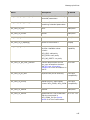
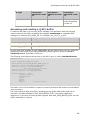
Macro
Must be set to...
Acu_facility_code
ACU_FAC_PCS_USER_ONLY
Acu_facility_action
ACU_RQ_ACTIVATE
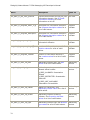
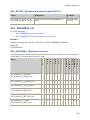
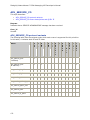
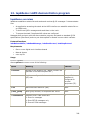
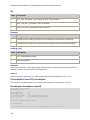
The user-to-PCS information element can be sent only in the user-to-network direction. The
PCS-to-user information element can be sent only in the network-to-user direction.
251