1
VME Master Addressing
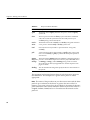
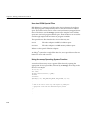
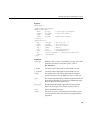
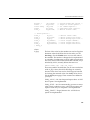
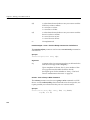
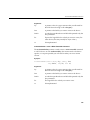
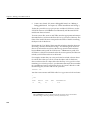
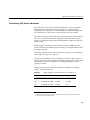
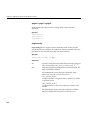
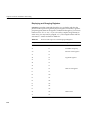
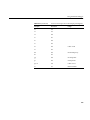
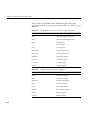
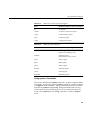
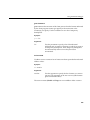
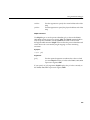
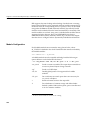
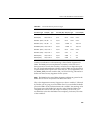
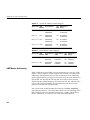
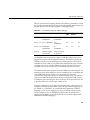
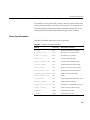
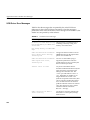
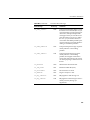
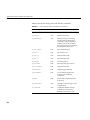
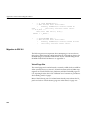
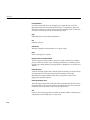
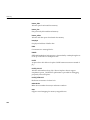
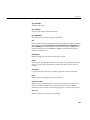
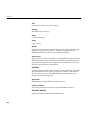
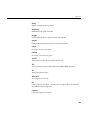
Table A-6 describes the mapping between the address generated by a VME
device and physical memory. You can perform A32 master addressing on the
IP5, IP7, IP9, and IP17 in either mapped or unmapped mode.
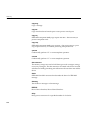
Table A-6
A32 VME-bus/Physical Address Mapping
System CPU VME Address
Physical Address
Size
(MB)
VME
Modifier
Map
IP4/6/12
0x0 –
0x0FFFFFFF
256
0x9
No
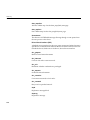
IP5/7/9/17 0x0 – 0x0FFFFFFF
0x0 –
0x0FFFFFFF
256
0x9
No
IP5/7/9/17 0x80000000 –
0x8FFFFFFF
0x –
0x0FFFFFFF
256
0x9
Yes
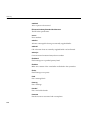
IP19/21
Must be mapped
by the driver
0x0 –
0x0FFFFFFF
Must be mapped
by the driver
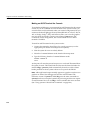
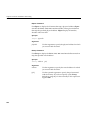
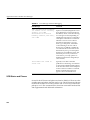
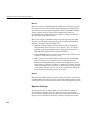
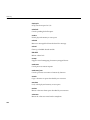
On POWER Series workstations, ranges of VME-bus address space were
mapped one-to-one with K2 segment addresses. This made accessing the
VME bus easy but was also limiting. Only a small amount of K2 space is
available for use by VME, so very little of the VME address space was made
available. Even worse, for dual VME-bus systems, the space previously
available was now cut in half as it was shared between the two buses.
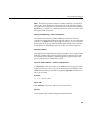
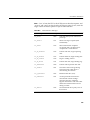
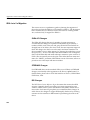
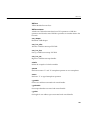
The CHALLENGE series supports up to five VME buses. Since K2 space is a
limited resource, and dividing up what is available by five would make the
extra VME buses next to useless, a new approach was tried. The
CHALLENGE series does not have a direct K2 address map into VME-bus
space. Each VME bus adapter has the ability to map fifteen 8 MB windows
of VME-bus space into K2 space. These windows can be slid around at will
to give the illusion of a much larger address space.
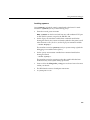
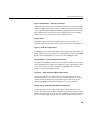
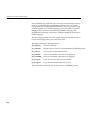
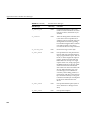
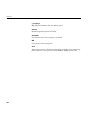
To access a VME space, a user must allocate a PIO map, which provides a
translation between a kernel address and VME space. These mappings can
be “FIXED” or “UNFIXED.” As on POWER Series platforms, a FIXED
mapping is a one-to-one mapping of a range of VME-bus space into the
driver’s address space. An UNFIXED window takes advantage of the
sliding window ability on the CHALLENGE series, which supports both
FIXED and UNFIXED mappings.
327