1
pairwiseLD
31
Details
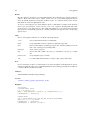
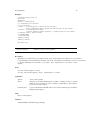
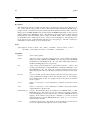
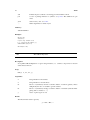
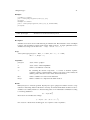
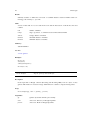
The function write.plink is called to prepare the input files and the script for PLINK. The executive PLINK file plink.exe must be available (e.g. in the working directory or through path
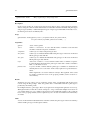
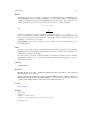
variables). The function pairwiseLD calls PLINK and reads the results. The evaluation is performed separately for every chromosome. The measure for LD is r2 . This is defined as
D = pAB − pA pB
and
r2 =
D2
pA pB pa pb
where pAB is defined as the observed frequency of haplotype AB, pA = 1 − pa and pB = 1 − pb
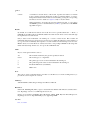
the observed frequencies of alleles A and B. If the number of markers is high, a threshold for the
LD can be used to thin the output. In this case, only pairwise LD above the threshold is reported
(argument --ld-window-r2 in PLINK).
Default PLINK options used –no-parents –no-sex –no-pheno –allow-no-sex –ld-window p –ldwindow-kb 99999
Value
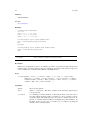
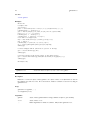
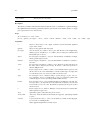
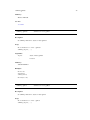
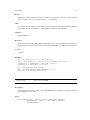
For type="data.frame" an object of class LDdf with one element for each chromosome is returned.
Each element is a data.frame with columns marker1, marker2, r2 and distance for all p(p−1)/2
marker pairs (or thinned, see ’Details’).
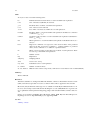
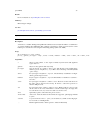
For type="matrix" an object of class LDmat with one element for each chromosome is returned.
Each element is a list of 2: a p × p matrix with pairwise LD and the corresponding p × p matrix
with pairwise distances.
Author(s)
Valentin Wimmer
References
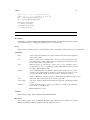
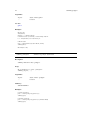
Hill WG, Robertson A (1968). Linkage Disequilibrium in Finite Populations. Theoretical and
Applied Genetics, 6(38), 226 - 231.
Purcell S, Neale B, Todd-Brown K, Thomas L, Ferreira MAR, Bender D, Maller J, Sklar P, de
Bakker PIW, Daly MJ & Sham PC (2007) PLINK: a toolset for whole-genome association and
population-based linkage analysis. American Journal of Human Genetics, 81.
See Also
LDDist, LDMap
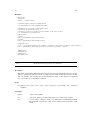
Examples
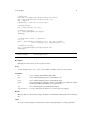
## Not run:
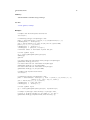
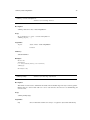
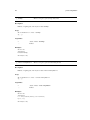
data(maize)
maizeC <- codeGeno(maize)
maizeLD <- pairwiseLD(maizeC,chr=1,type="data.frame")
## End(Not run)