1
>10.000
10.000 - 1.000
1.000 - 100
100 - 10
1
A
A
A
B
10 - 1
B
10
A
A
B
B
C
C
100
A
B
B
C
1.000
B
B
C
C
D
10.000
B
C
C
D
D
CWA x 50
Frequenciy Cathegories - Years
Consequences
Consequence reduction
Frequency reduction x 100
3
2
1
Consequence Cathegories
1 - No injuries – First aid's
10 – No incapacitated Injuries
100 – Incapacitated w/o fatalities
1.000 - At least one fatality
10.000 – Multiple fatalities
Zone Definitions:
A. Acceptable design – No changes required
B. Consider additional protections
C. Require additional protection
D. Redesign
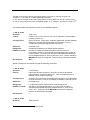
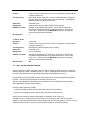
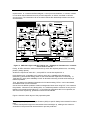
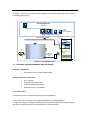
Figure 1: Example of Safety Performance requirements for a SIF for overfill protection
using implicit LOPA methodology.
Figure 1 shows in this example how consequences were assigned values by order of
magnitude. Note: This is an example and as such, all data is indicative and should not be used
in any specific real life application. However, taking a single order of magnitude as RRF1 is a
recognized recommended practice.
An outer layer, a Fire and Gas System – F&GS (that provides mitigation in the event of spills
and fire) reduces consequences. A full fault tree analysis can be performed and the “Weighed
Average Consequence - CWA” can be calculated for all possible outcomes2 and all possible
frequencies. In this example the ILP reduces from an unmitigated CWA of 5000 to a mitigated
CWA of 100. (Position 1 in Figure 1)
The Root cause (initial event) frequency is estimated to be once in ten times per year (0.1 per
year). This coincides with typical data for performance based standards, and will place the
frequency in the last column to the right of the table.
On the other hand, there are two Independent Layers of Protection; that will reduce the likehood of the undesirable event:
The first one is occupancy.
The area is not manned with the exception of maintenance work (usually a couple of days in a
year per tank).
The other protection is the pit itself or bund around the tank, which is a passive ILP with an
accepted performance of one order of magnitude.
Both IPLs provide a combined protection of 2 orders of magnitude. (i.e.: x 100)
1
RRF (Risk Reduction Factor) = 1/PFD AVG
Methodology taken from ISA Technical Report TR84.00.07 - Guidance on the Evaluation
of Fire & Gas System Effectiveness – NC 2009
2