1
sil fuels required to produce a computer chip are
600 times greater than the weight of the chip; by
comparison the fossil fuels required to produce
a car are only one to two times its weight, and
for an aluminium can around four to five times.29
Another aspect of the limited supply of these
critical materials is that, as scarcity makes prices rise, the shortage of supply is an incentive to
their illicit production. Unlike conventional agricultural resources, where supply can be drawn
from a wide area and can shift with the global
market, mineral resources can only be produced
where they are found. Similar to the issue of oil
and the Middle East, as pressure is put on global
mineral resources, it is a handful of states who
are becoming the focus of the world's trade in
high-tech minerals. As a result of the problems
with supply, some governments are arguing for
strategic policies to protect these “critical raw
materials”30 to ensure the world has access to
these resources in the future.
For example, an important metal in the production of miniaturised digital electronics is
tantalum. Half of the world's tantalum supply
is mined in Australia, and it is produced as a byproduct of other metal-mining operations in many
states, but between 1% and 10% may be mined
illegally in central Africa. This trade in turn supplies the finance that perpetuates the armed conflict31 in these areas, and the human rights abuses
thatare the result.32 While it may soon be possible
to buy equipment which is accredited as “blood
metal” free, the basic laws of economics mean
that everyone is benefiting indirectly as a result
of this illicit trade. By increasing supply within are
tight market, it lowers the price of these resources
for all. The only way to address the issue of conflict resources is to have a globally policed system
which is able to accredit the trade in all resources.
The debate over green IT shows the value
of life-cycle analysis, and also demonstrates
the complexity of how we must manage the
transition towards more sustainable industrial
processes. Some of the leading hardware manufacturers are now commissioning reports on the
impacts of their activities – and life-cycle analysis is a key part of providing this information. But
while life-cycle assessment allows us to look at
the impacts created by our demand for certain
goods, for those whose work or lives have become dependent upon these technologies, it can
also throw up some problematic questions on
the impacts implicit in their use of technology.
Knowing that the activities which you undertake
on a daily basis require the expenditure of such
resources puts our individual lifestyles under
a critical microscope. Although the scope and
standards of life-cycle analysis reports vary, if
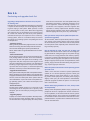
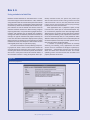
we utilise what information is available (see box
2.2) we can make better purchasing decisions,
and so begin to address the impacts created by
our demands for these technologies.
29.Arizona State University (undated). Life Cycle Assessment of IT hardware.
www.it-environment.org/about%20project%20-%20
LCA%20of%20IT%20hardware.html
30.European Commission (2010) Critical raw materials for
the EU, CEC.
ec.europa.eu/enterprise/policies/raw-materials/files/
docs/report_en.pdf
31.Global Witness (2009) Faced with a Gun, What Can
You Do? www.globalwitness.org/media_library_get.
php/980/1277197135/report_en_final.pdf
32.Sourt, C. The Congo's Blood Metals, The Guardian, Friday
26th December 2008 www.guardian.co.uk/commentisfree/2008/dec/25/congo-coltan
The ecology of information technology / 23