1
NAME: __________________________
CLIMATE CHANGE: THINGS ARE HEATING UP
Directions: Read each section then answer the question(s) that follow.
Climate of the Past
Earth gives many clues to its past climate. From the start the planet has experienced
dramatic shifts, from tropical to ice age. Natural forces contributed to past climate
change. Shifts in the sun’s energy output, changes in ocean currents, even the
movement of Earth’s continents (plate tectonics) caused long-term climate change.
Sometimes large-scale volcanic eruptions spewed ash into the atmosphere and
shaded the world from the sun’s energy.
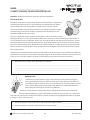
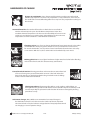
There are a number of research methods used to figure out what our climate was like
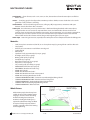
throughout history. Ice, such as glaciers and the Antarctic Ice Sheet store records in their layers. Scientists take ice
cores to examine the layers, looking for volcanic ash, dust, carbon dioxide, and other chemical elements—all clues
about past climates. They drill into the bottom of lakes and pull out sediment cores to look for clues in the buried
layers. The sediment holds pollens, fossilized insects and other materials. Scientists look at tree rings to determine
which years were warmer than others. They also interview local inhabitants and research written and oral records
from ancient cultures.
Climate records indicate temperatures have been fairly stable since the last major ice age ended about 10,000 years
ago. Within the last 100 years a noticeable warming trend began. This time, however, scientists can’t trace the cause
to the sun or to a volcanic eruption. Scientists are now looking at ways human activity may contribute.
1. Name three ways scientists learn about Earth’s past climate.
______________________________________________________________________________________
______________________________________________________________________________________
______________________________________________________________________________________
Warming Trend
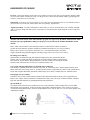
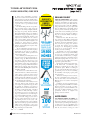
So what’s the big deal if it warms up by a couple of degrees? Consider this. During the
last ice age Earth was just 4˚ to 6˚ Celsius cooler than it is today, but that small difference
caused glaciers and ice sheets to cover vast areas of the planet. Sun-loving animals couldn’t
survive, others adapted and moved rapidly south. While it is true that Earth’s climate has
always changed, a few degrees can make a big difference.
Scientists’ research shows the average temperature of the globe increased by about 0.6˚ Celsius
between 1900 and 2000. Many regions of the Arctic have warmed up by as much as 5˚ Celsius in the
same 100-year period. If the current trend continues, scientists predict the average global temperature is expected
to rise by 1.4˚ to 5.8˚ Celsius by 2100.
2. How many degrees cooler was the last ice age compared to today’s climate? ______________________
3. How many degrees warmer do scientists predict it may be by 2100? _____________________________
UNITE US ©2010 - 2012 Geophysical Institute, UAF
C-9
Things are Heating Up