1
Provisional notes for Tplan version 29.1
Harald Michalsen
Page 34 of 117
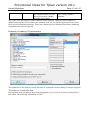
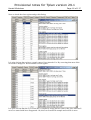
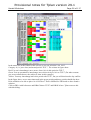
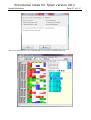
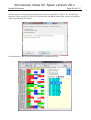
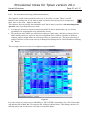
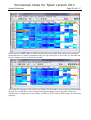
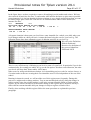
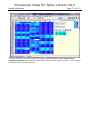
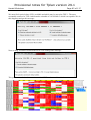
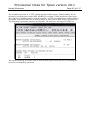
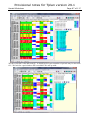
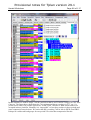
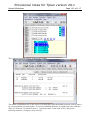
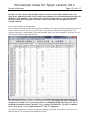
Filled in Actual position.
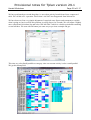
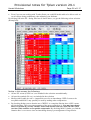
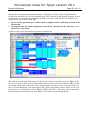
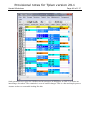
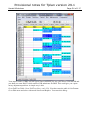
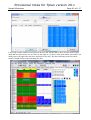
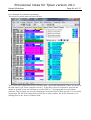
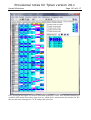
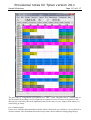
Now the colour codes tell something about the assignment/interchange possibilities of other
activities in relation to actual position. The selected activity is possibly already assigned here. If not,
we imagine it being assigned here, and then we make an interchange of actual position with all
other positions in the table. Actual position will very often be an empty cell, and then the
interchange process is reduced to move other activities to actual position.
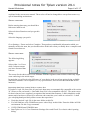
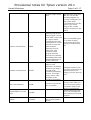
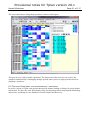
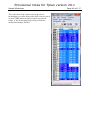
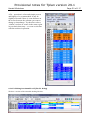
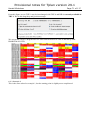
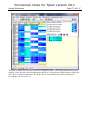
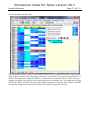
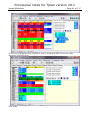
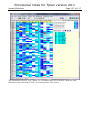
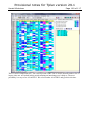
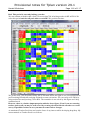
The interpretation of the colour codes is now:
• Light green background black foreground.
This position may be interchanged with or moved to actual position.
• Light yellow background black foreground.
This position may be interchanged with or moved to actual position, but we then break one or
more day conflicts.
• Pink background black foreground.
This position may be interchanged with or moved to actual position, but we are then ignoring
one or more blockings in positional directives.
• Deep red background white foreground.
This position cannot be interchanged with or moved to actual position. Regrettably the most
common colour.
• Dark red background black foreground.
This position may be interchanged with or moved to actual position, but you are then breaking
both day conflicts and initial blockings.
• Dark lilac background black foreground.
This position may be moved to actual position, but the selected activity cannot be moved back
to this position.
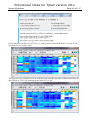
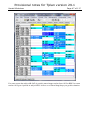
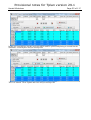
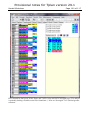
Both colour techniques are very important in various contexts, and it is important to recognize the
different interpretations of colour codes in the two cases.
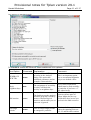
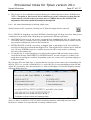
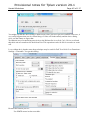
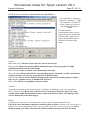
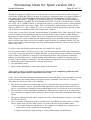
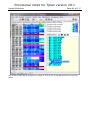
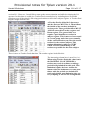
3. Category.
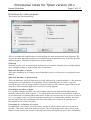
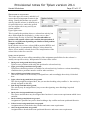
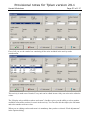
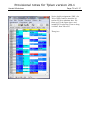
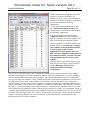
This element is the bottom right part of the dialog, and
defines the kind of selection we are requiring. We have
these possibilities:
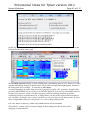
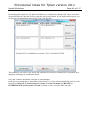
1. Only activity.
We create a selection of timetable columns consisting
only of the resources (classes, teachers, rooms) being
included in selected activity. When working with large
blocks in the initial timetabling stages, this is the only
natural choice. Later in the timetabling process when
assigning pure class activities, this choice gives you too
few columns to get a proper survey of natural
moves/interchanges, and we then prefer one of the other
categories. This is the only selection which is
completely dependent upon selected activity while the
other categories depend only upon which class or
teacher you select.