1
Ulle Endriss. And Introduction to Prolog Programming
2.4
19
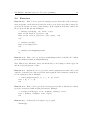
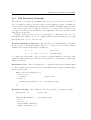
Exercises
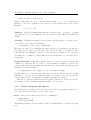
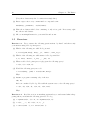
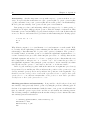
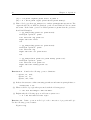
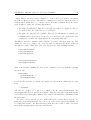
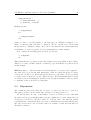
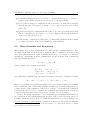
Exercise 2.1. Write a Prolog predicate analyse_list/1 that takes a list as its argument and prints out the list’s head and tail on the screen. If the given list is empty, the
predicate should put out an accordant message. If the argument term isn’t a list at all,
the predicate should just fail. Examples:
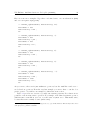
?- analyse_list([dog, cat, horse, cow]).
This is the head of your list: dog
This is the tail of your list: [cat, horse, cow]
Yes
?- analyse_list([]).
This is an empty list.
Yes
?- analyse_list(sigmund_freud).
No
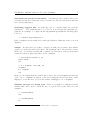
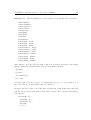
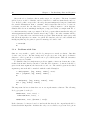
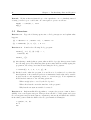
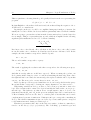
Exercise 2.2. Write a Prolog predicate membership/2 that works like the built-in
predicate member/2 (without using member/2).
Hint: This exercise, like many others, can and should be solved using a recursive approach
and the head/tail-pattern for lists.
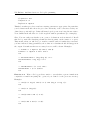
Exercise 2.3. Implement a Prolog predicate remove_duplicates/2 that removes all
duplicate elements from a list given in the first argument and returns the result in the
second argument position. Example:
?- remove_duplicates([a, b, a, c, d, d], List).
List = [b, a, c, d]
Yes
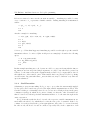
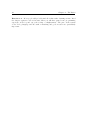
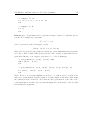
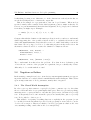
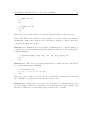
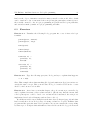
Exercise 2.4. Write a Prolog predicate reverse_list/2 that works like the built-in
predicate reverse/2 (without using reverse/2). Example:
?- reverse_list([tiger, lion, elephant, monkey], List).
List = [monkey, elephant, lion, tiger]
Yes
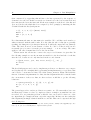
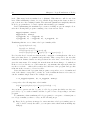
Exercise 2.5.
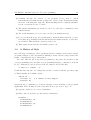
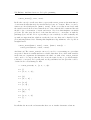
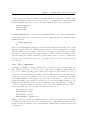
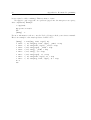
Consider the following Prolog program:
whoami([]).