1
Rappelling
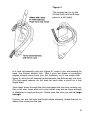
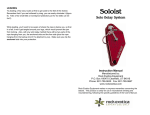
While you are close to the ground, try rappelling a few feet with the
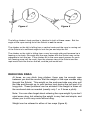
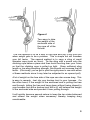
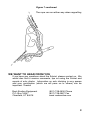
Soloist (see figure 7). Reverse the rope from how you had it for top
roping (in this new position the anchored side of the rope should
come out the top of the Soloist). It doesn’t matter if the jaw and pin
are in the Soloist or left out. Push a loop through the rappel slot, clip
a ‘biner through it and rappel, controlling the rappel with a hand
holding the free side of the rope, just as you would with any rappel
method. Try again with two ‘biners, which should give a little more
friction.
Reverse the way the rope runs through the Soloist (now it should be
back to how it was while top roping). Rappel with one and then two
‘biners. Now put the jaw in (if it wasn’t already), and you’ll try
something that is only possible when the rope is running the current
way through the Soloist. With your weight off the rope, lift up the tail
end of the jaw with your finger and hold it up as you apply your weight
(of course, your controlling hand is holding the rope, ready to control
the rappel). As you apply your weight, the rope will hold up the jaw
and lock it. this is a way to hold yourself on rappel if desired, but
never take your controlling hand off of the rope, in case of slippage,
unless you tie a backup knot. Speaking of slippage, see if you can
lean back and bounce around and make it slip.
The choice of which position to rappel in is up to you, but the following
is often convenient for free climbing on multiple pitches when you are
rappelling on the climbing rope: After leading the route, tie the free
end into a rappel anchor (establish it so that it will be a safe belay
anchor for the next pitch; i.e. protect against an upward as well as a
downward pull). Before rappelling, reverse the rope (from the way it
was while leading) so that the rope from the rappel anchor goes in the
bottom of the Soloist. Rappel and clean the route (in this position you
can lock off the rappel if necessary to make cleaning a stuck piece
easier). At the bottom, unclip the rappel ‘biner, untie the belay anchor
and you’re ready to second the pitch using the Soloist as a top rope
belay.
There is one other rather obscure advantage to rappelling with the
rope in the above position. The ‘biner clipped through the rappel loop
is, of course, what gives the system its friction. If the ‘biner should
somehow come unclipped while rappelling in this position, the jaw
would simply lock, preventing a fall. For this reason, this position may
be safer if a locking ‘biner is not available.
12