1
FIN EC – User guide
© Fine s. r. o. 2013
Introduction
This User Manual is intended for all users of the Fin EC structural analysis programs. Simple
examples are used to explain the principles of the basic structural analysis programs (Fin 2D
and Fin 3D) as well as of the design programs for concrete, steel, timber and masonry
structures.
The examples show procedures for analyses of particular tasks in selected programs. Due to
similar principles of work, each example can be used as guidance for other programs of the
same type. For instance, the example "Reinforced concrete column" shows work with the
"Concrete 3D", however the same principles of quick design of a section subject to a
combination of internal forces can be applied in all other design programs for concrete, steel,
timber and masonry structures.
The User Manual contains the following examples:
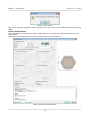
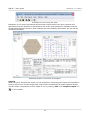
Reinforced concrete column
This example shows design of a reinforced concrete cross-section subject to given combination
of internal forces in the program "Concrete 3D". The same principles of design are used in all
other design programs – "Concrete 2D", "Plain concrete", "Steel", "Steel Fire", "Timber",
"Timber Fire" and "Masonry". The example also shows the procedure for composition of
output documentation.
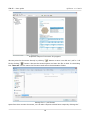
Punching shear
In this example, work procedure in the program "Punching" is explained. Apart from that, the
procedure for editing headers of output documents, which can also be applied in other
programs Fin EC, is described.
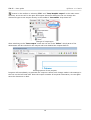
Timber truss
The example shows the procedure for modelling a timber truss using the generator of
structures in the program "Fin 2D" and subsequent design of members in the program
"Timber". It also describes utilization of design groups and collective definition of calculation
parameters in the design program. This example is also suitable for users of the program "Fin
3D".
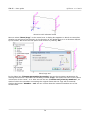
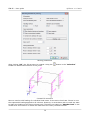
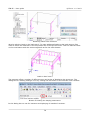
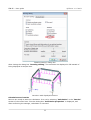
3D structure
This example shows analysis of a 3D structure in the program "Fin 3D" and subsequent design
of members in the program "Steel". Apart from gradual definition of the structure in the
program "Fin 3D" using joints and members, work with the design groups is described. These
procedures can also be used in the program "Fin 2D" in connection with any of the design
programs.
3