1
StreetSmart Pro User Manual
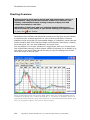
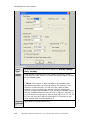
CCI
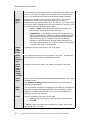
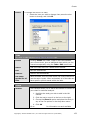
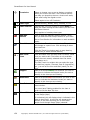
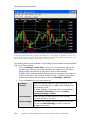
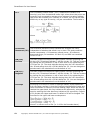
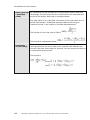
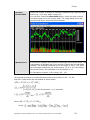
The Commodity Channel Index ("CCI") measures the variation of a
security's price from its statistical mean. High values show that prices are
unusually high compared to average prices whereas low values indicate
that prices are unusually low. Contrary to its name, the CCI can be used
effectively on any type of security, not just commodities. The formula is
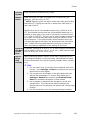
where
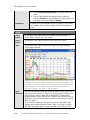
Directional
Movement (DX)
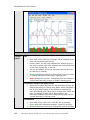
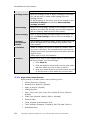
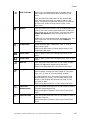
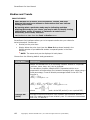
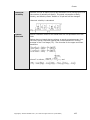
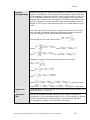
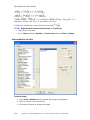
The Directional Movement study indicates the strength of a trend,
independent of whether that trend is up or down. The study combines
several components: +DI measures upward moves, -DI measures
downward moves, DX combines +DI and -DI, and ADX is a smoothed
version of DX.*
DM(+DI)
Positive
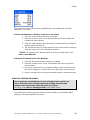
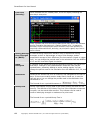
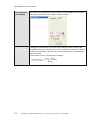
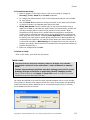
The basic Directional Movement trading system involves comparing the
14-day +DI ("Directional Indicator") and the 14-day -DI. This can be done
by plotting the two indicators on top of each other or by subtracting the
+DI from the -DI. The study indicates buying when the +DI rises above
the -DI and selling when the +DI falls below the -DI. You can change the
periods used in the calculation from the default of 14.*
DM(-DI) Negative
The basic Directional Movement trading system involves comparing the
14-day +DI ("Directional Indicator") and the 14-day -DI. This can be done
by plotting the two indicators on top of each other or by subtracting the
+DI from the -DI. The study indicates buying when the +DI rises above
the -DI and selling when the +DI falls below the -DI. You can change the
periods used in the calculation from the default of 14.*
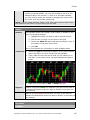
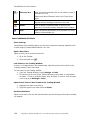
Envelope
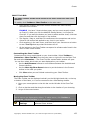
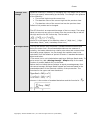
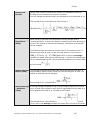
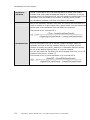
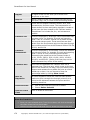
Employing an Envelope is similar to Bollinger Bands, except equidistant
from the center average, in that the Envelope helps define the upper and
lower boundaries of a security's normal trading range. When the security
reaches the upper band, this may indicate a sell opportunity, whereas the
security reaching the lower band may indicate a buy opportunity. Default
of 20 periods with Upper and Lower % default of 6 can be changed. The
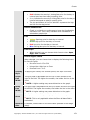
formulas for the upper and lower envelopes are
where F is a factor such as 6% (i.e. 0.06 for the formulas above).
164
Copyright © Charles Schwab & Co., Inc. 2006. All rights reserved. (0106-5667)