1
Object/Relational Access Layers
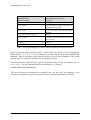
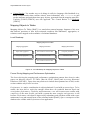
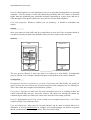
Roadmap of the Pattern Language
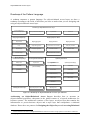
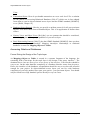
A roadmap structures a pattern language. For object/relational access layers we draw a
roadmap according to the fields of decisions you have to make when you are designing and
using an object/relational access layer.
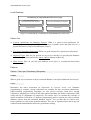
Architecting an Object/Relational Access Layer
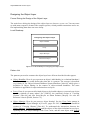
Layered Architecture for
Business Informatiojn Systems
Two Layer Persistence Subsystem
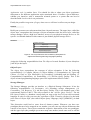
Designing the Object Layer
Physical Views
Host Access
Mapping Objects to Tables
Object Identifier
Mapping Aggregation
Mapping Inheritance
Mapping Associations
Proxy
Single Table Aggregation
One Inheritance Tree One Table
Foreign Key Association
Object Manager
Foreign Key Aggregation
One Class One Table
Association Table
Transaction Object
One Inheritance Path One Table
Moving Attributes
to and from the Tuple Layer
Accessing Relational Databases
Multilayer Class
Physical Views
Class Broker
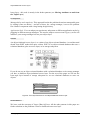
Optimizing Performance
Optimizing Table Structures
and Queries
Optimizing General Design
Denormalization
Cluster Read
Overflow Table
Bundled Write
Controlled Redundancy
Store for Forward
Narrow Views
Flat File Write
plus local roadmap
Central Broker
Short Views
Building the Access Layer
Representing Objects as Tables
Table Design Time
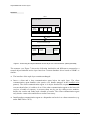
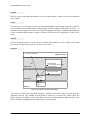
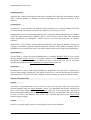
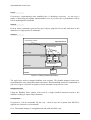
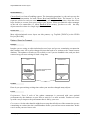
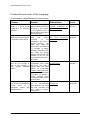
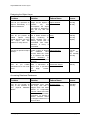
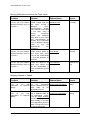
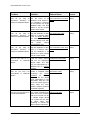
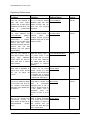
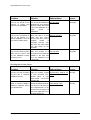
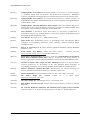
Figure 3: A Roadmap of Object/Relational Access Layer Patterns
Architecting an Object/Relational Access Layer1 describes how to structure an
object/relational persistence subsystem in the global context of a layered architecture for
business systems. The architecture consists of two layers: an object layer that contains the
infrastructure to persist business objects and a tuple layer that encapsulates a relational
database. Hence there are patterns for Designing the Object Layer and Accessing Relational
1 Some notational conventions: Groups of Patterns are marked as bold face. Single patterns are marked as underlined.
© Wolfgang Keller 1998 – 2004
page 3