1
80
MPI Examples
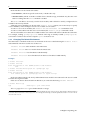
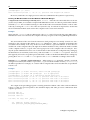
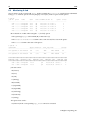
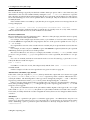
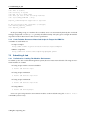
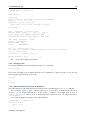
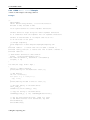
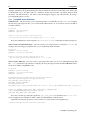
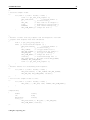
MPI_Recv(buff, BUFSIZE, MPI_CHAR, i, TAG, MPI_COMM_WORLD, &stat);
printf("%d: %s\n", myid, buff);
}
}
else
{
/* receive from rank 0: */
MPI_Recv(buff, BUFSIZE, MPI_CHAR, 0, TAG, MPI_COMM_WORLD, &stat);
sprintf(idstr, "Processor %d ", myid);
strcat(buff, idstr);
strcat(buff, "reporting for duty\n");
/* send to rank 0: */
MPI_Send(buff, BUFSIZE, MPI_CHAR, 0, TAG, MPI_COMM_WORLD);
}
/* MPI Programs end with MPI Finalize; this is a weak
synchronization point */
MPI_Finalize();
return 0;
}
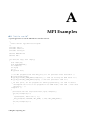
A.2
MPI Skeleton
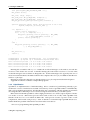
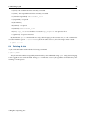
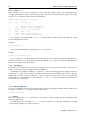
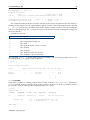
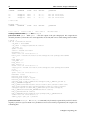
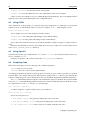
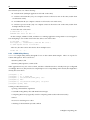
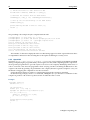
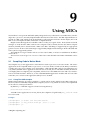
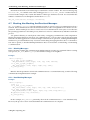
The sample code below contains the complete communications skeleton for a dynamically load balanced
head/compute node application. Following the code is a description of some of the functions necessary
for writing typical parallel applications.
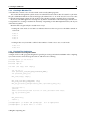
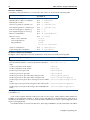
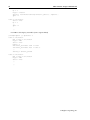
include <mpi.h>
#define WORKTAG
1
#define DIETAG
2
main(argc, argv)
int argc;
char *argv[];
{
int
myrank;
MPI_Init(&argc, &argv);
/* initialize MPI */
MPI_Comm_rank(
MPI_COMM_WORLD,
/* always use this */
&myrank);
/* process rank, 0 thru N-1 */
if (myrank == 0) {
head();
} else {
computenode();
}
MPI_Finalize();
/* cleanup MPI */
}
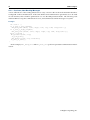
head()
{
int
ntasks, rank, work;
double
result;
MPI_Status
status;
MPI_Comm_size(
MPI_COMM_WORLD,
/* always use this */
&ntasks);
/* #processes in application */
© Bright Computing, Inc.